10 Living Room Zoning Ideas That Feel Calm

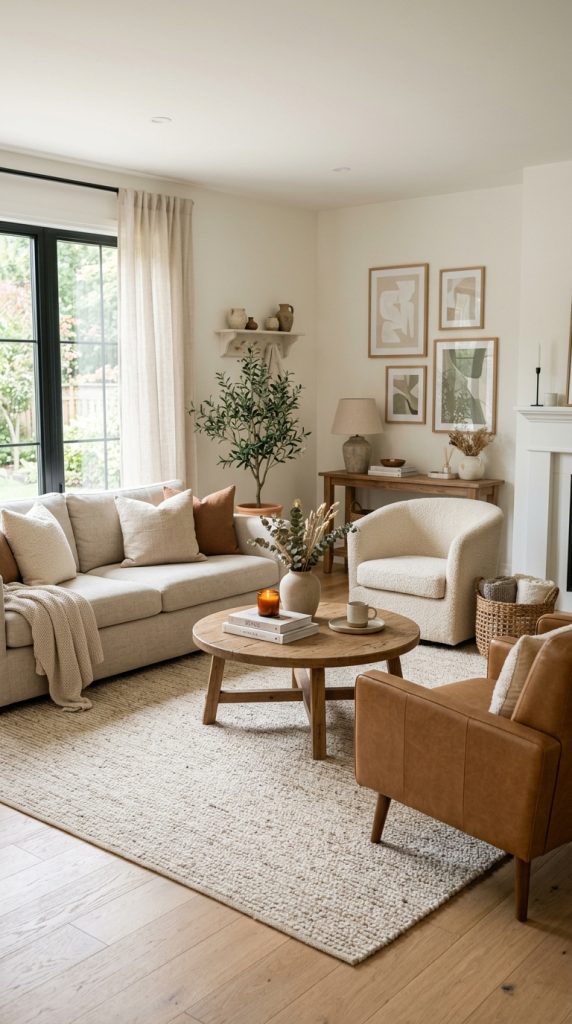
A well-designed living room often feels calm because the space is thoughtfully organized into functional areas. Instead of having everything blend together, designers use zoning techniques to separate activities such as relaxing, reading, or socializing. When zones are created carefully, the room feels balanced, comfortable, and visually harmonious.
These living room zoning ideas that feel calm focus on gentle design techniques that divide space without making the room feel crowded. Using furniture placement, rugs, lighting, and subtle architectural elements, you can guide how people move through the room while maintaining a peaceful atmosphere.
If you want a living room that feels organized, spacious, and relaxing, these living room zoning ideas that feel calm will help you create clear yet soft transitions between different areas.
1. Use a Large Area Rug to Define Seating
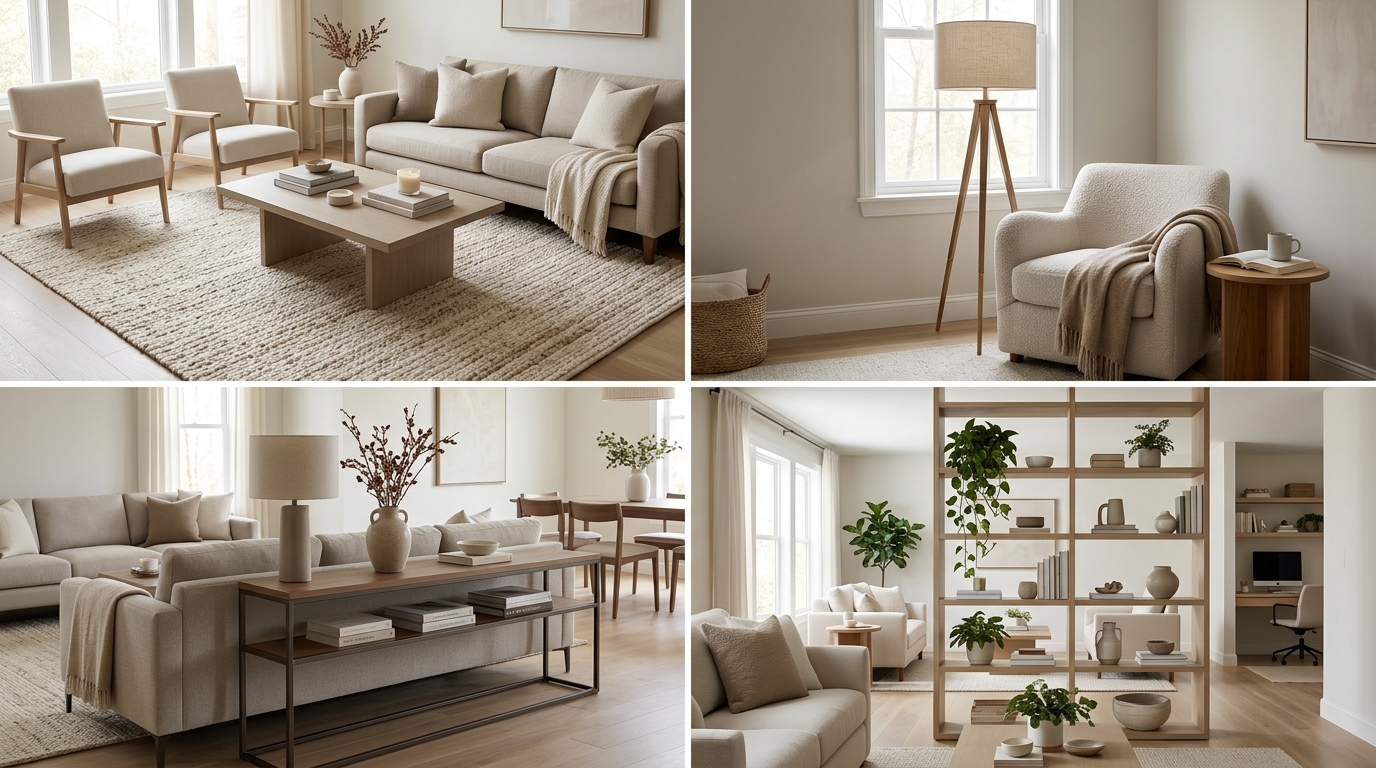
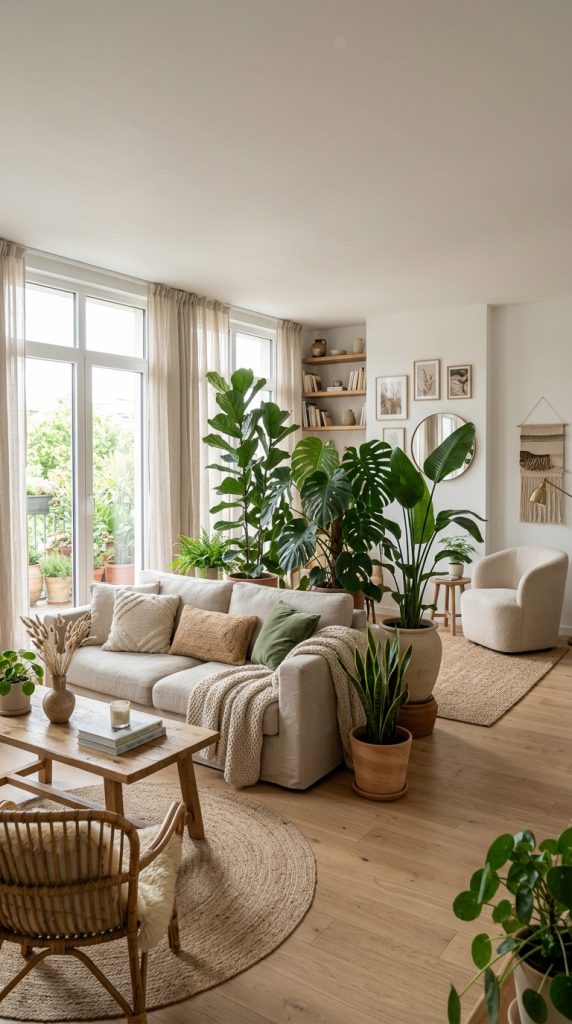
A large area rug can visually anchor the seating arrangement and separate it from the rest of the room. By placing sofas and chairs around the rug, the seating zone becomes clearly defined. The soft texture of the rug also adds warmth and comfort. Among living room zoning ideas that feel calm, rugs provide one of the simplest ways to organize a space.
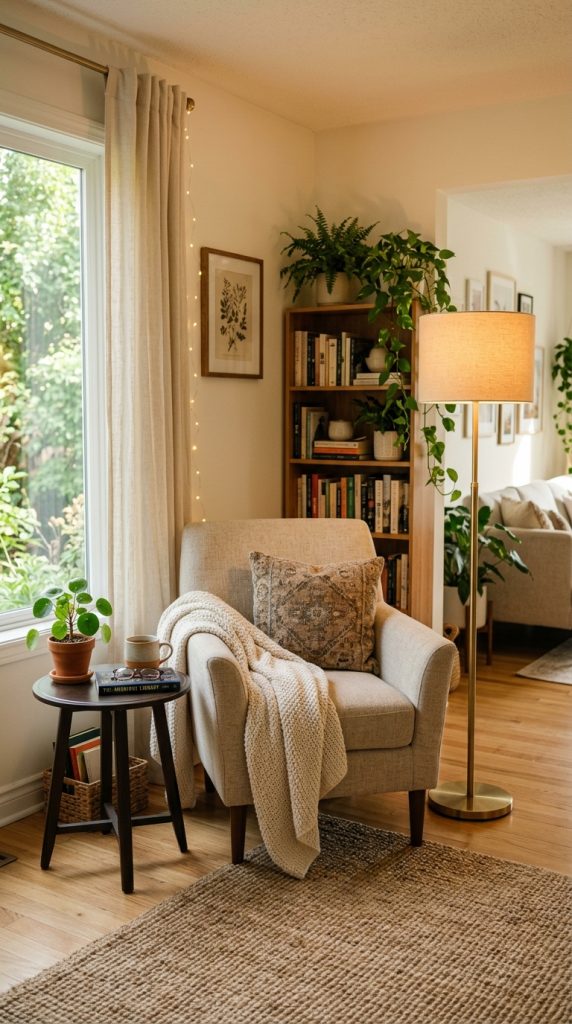
2. Create a Reading Corner With a Floor Lamp
A reading corner can be created by placing a comfortable chair beside a floor lamp and a small side table. The focused lighting forms a gentle visual boundary that separates the reading area from the main seating space. This arrangement creates a quiet retreat within the room. Many living room zoning ideas that feel calm include cozy reading corners for relaxation.
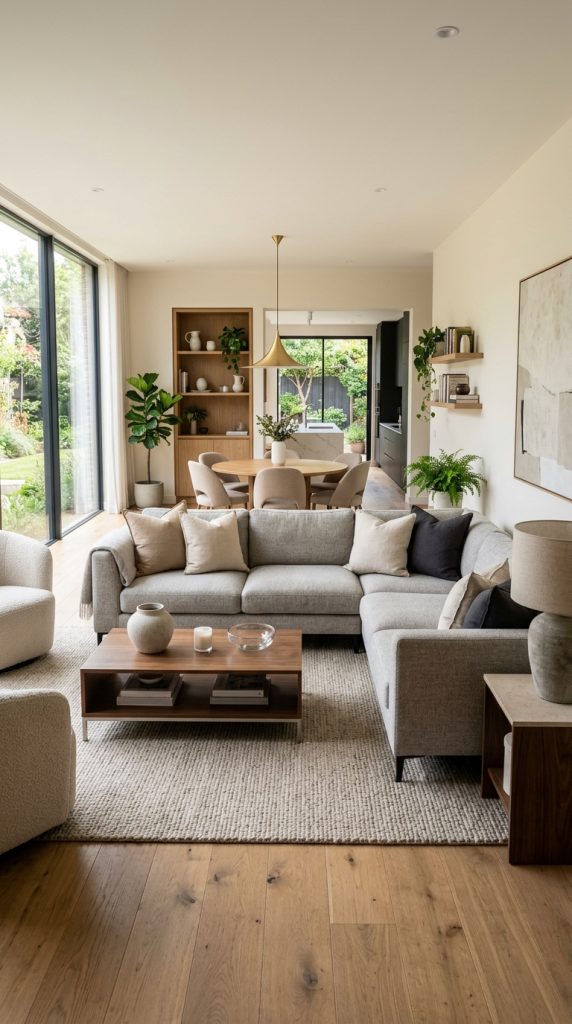
3. Arrange Furniture to Form Natural Boundaries
Thoughtful furniture placement can subtly divide a living room into functional zones. For example, positioning a sofa so that its back faces another area can create separation between lounging and dining spaces. This layout feels natural and open. These living room zoning ideas that feel calm rely on furniture arrangement rather than physical barriers.
Also Visit: 12 Gentle Contrast Ideas for Interiors
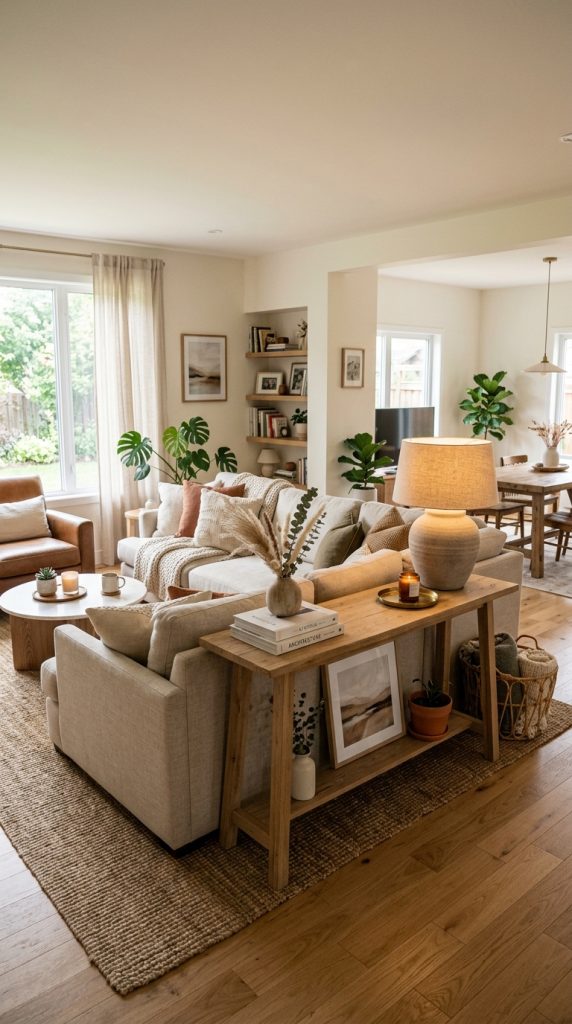
4. Use a Console Table Behind the Sofa
A console table placed behind the sofa can help define the boundary of the seating area. The table adds surface space for lamps or decor while visually separating the lounge zone from walkways or adjacent spaces. This subtle divider maintains openness. Among living room zoning ideas that feel calm, console tables provide both function and structure.
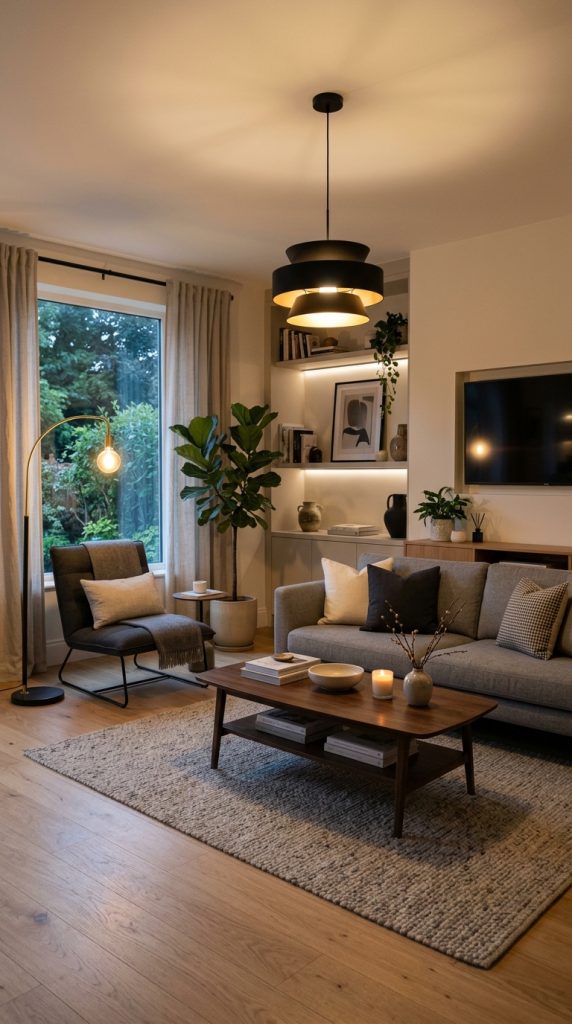
5. Introduce Lighting to Define Areas
Lighting can help distinguish different zones within the living room. A pendant light above a coffee table or floor lamp beside a chair creates small pools of light that highlight specific areas. These lighting zones guide the eye without adding physical barriers. Many living room zoning ideas that feel calm use layered lighting to shape the space.
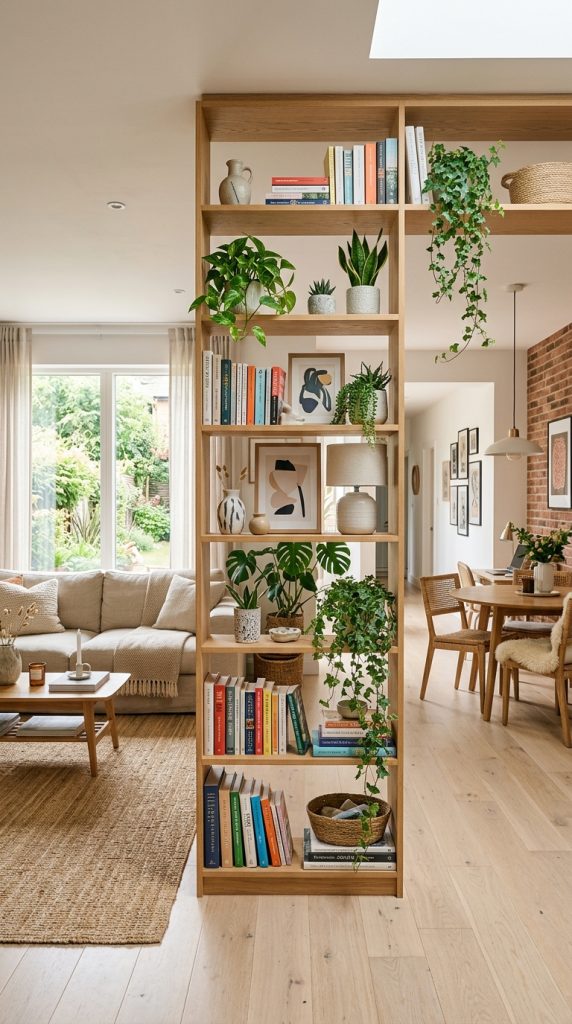
6. Use Open Shelving as a Divider
Open shelving units can separate zones while maintaining visual openness. Books, plants, and decorative objects add texture without blocking light. The shelves provide storage while subtly defining different areas of the room. Among living room zoning ideas that feel calm, open shelving offers a balanced solution between separation and openness.
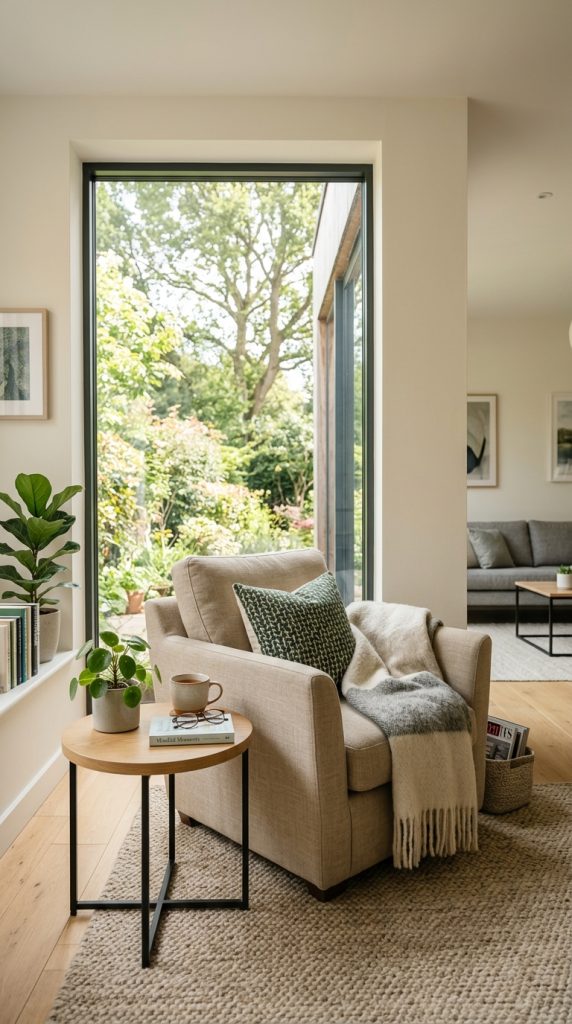
7. Create a Window Relaxation Zone
A window area can become a calm relaxation zone with the addition of a chair, small table, or bench. Natural light enhances the peaceful atmosphere while clearly distinguishing this space from the main seating area. This arrangement encourages quiet moments within the living room. These living room zoning ideas that feel calm often highlight natural light.
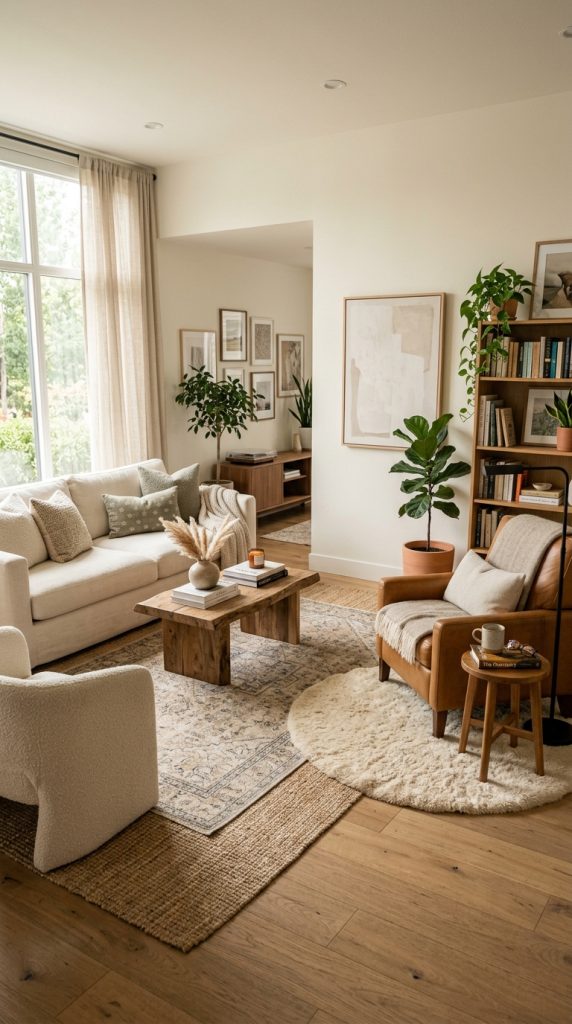
8. Layer Rugs for Subtle Separation
Using two rugs in different areas of the living room can help define zones without adding furniture. For example, one rug can anchor the seating area while another highlights a reading corner. The layered textiles create visual structure while maintaining softness. Among living room zoning ideas that feel calm, rug layering adds warmth and organization.
9. Use Accent Chairs to Shape Conversation Areas
Accent chairs placed opposite a sofa can create a small conversation zone within the living room. The chairs help frame the seating arrangement while encouraging interaction. This layout naturally separates the social area from other parts of the room. Many living room zoning ideas that feel calm rely on seating arrangements to guide flow.
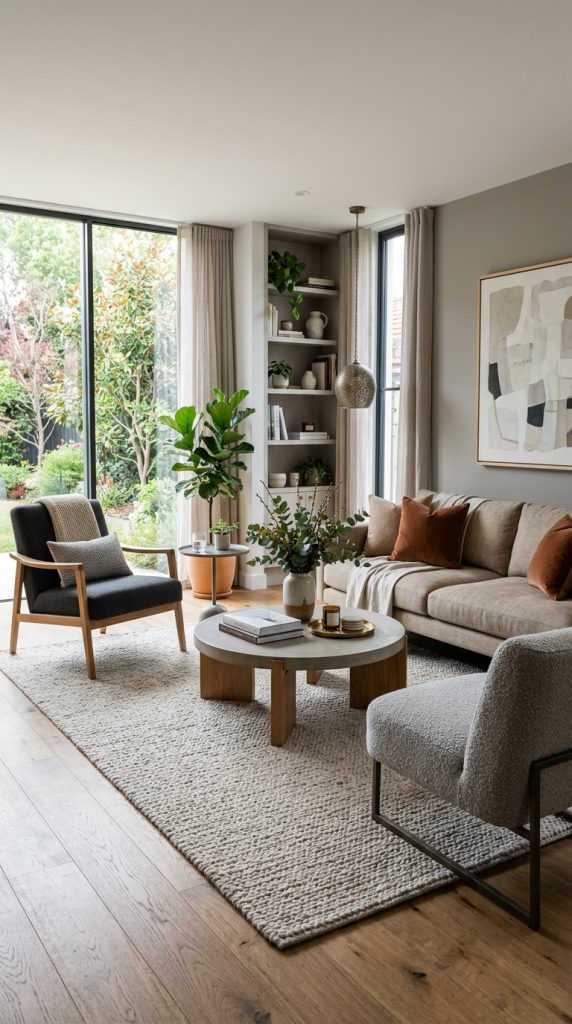
10. Add Plants to Gently Divide Spaces
Tall plants or plant groupings can create soft visual boundaries between zones. The greenery introduces natural texture while subtly separating different areas. Plants maintain openness and freshness in the room. Among living room zoning ideas that feel calm, plants provide one of the most organic and relaxing forms of space division.
Final Verdict
Creating zones within a living room can greatly improve both functionality and comfort. When spaces are thoughtfully organized, the room feels more balanced and peaceful. Gentle zoning techniques allow different activities to coexist while maintaining an open and welcoming atmosphere.
These living room zoning ideas that feel calm demonstrate how furniture placement, lighting, rugs, and natural elements can shape a room without overwhelming it. By designing soft boundaries between areas, you can create a living room that feels organized, elegant, and deeply relaxing.