How to Incorporate Mirrors into Your Interior Design


Mirrors are one of the most versatile elements in home décor. They don’t just serve a functional purpose, they also add style, reflect light, and create the illusion of more space. Whether you live in a cozy apartment or a spacious home, knowing how to incorporate mirrors into your interior design can completely transform the look and feel of a room.
From placement techniques to choosing the right shapes and frames, mirrors can enhance any design style, from modern minimalism to rustic charm. Let’s explore creative ways to use mirrors for function and beauty in your interiors.

The Role of Mirrors in Interior Design
The use of mirrors in interior design goes beyond vanity or checking your reflection. Designers often rely on mirrors to:
- Brighten up dark rooms by reflecting natural light.
- Make small rooms look larger and more open.
- Add elegance and personality through decorative frames.
- Create focal points or accentuate architectural features.
When used thoughtfully, mirrors balance aesthetics and functionality, becoming key elements of your décor.
1. Using Mirrors to Create the Illusion of Space
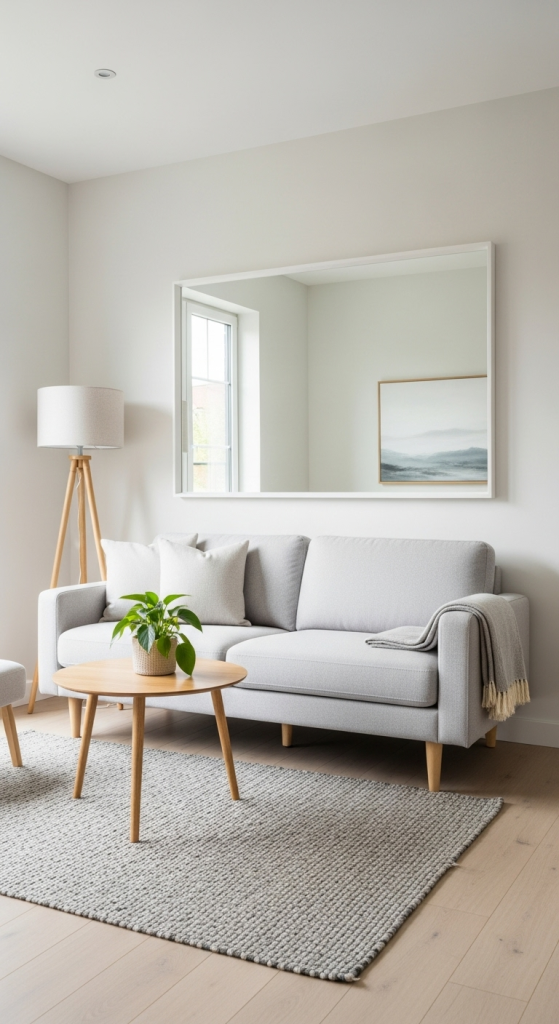
One of the most common tricks in mirrors in interior design is making small spaces appear larger. Placing a large mirror opposite a window or behind furniture instantly doubles the sense of depth.
For instance:
- In small living rooms, a wall-sized mirror behind a sofa can make the room feel expansive.
- In narrow hallways, mirrors visually widen the space, eliminating that cramped feeling.
2. Enhancing Natural Light with Mirrors
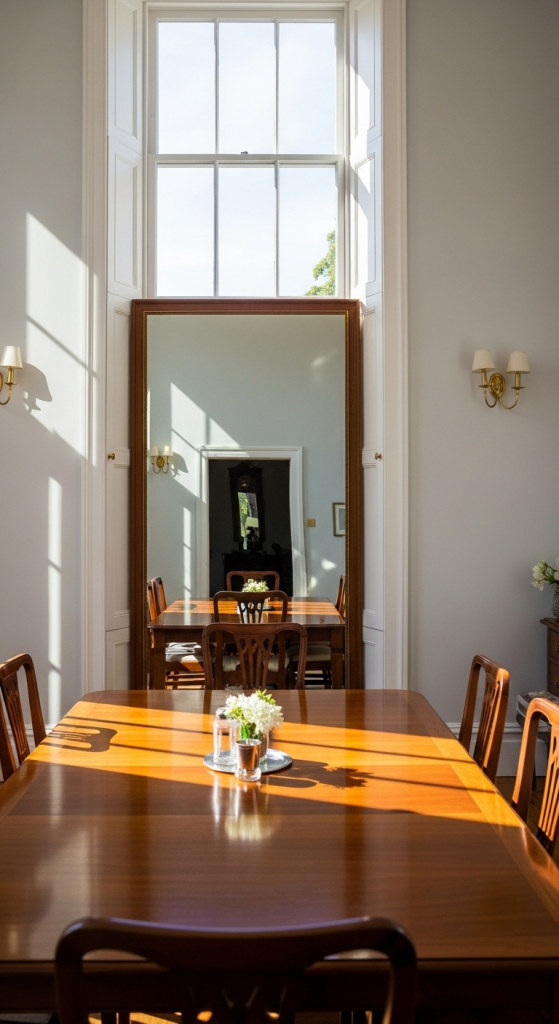
If your home lacks windows or receives limited sunlight, mirrors can maximize whatever natural light you do have. Place mirrors directly across from or adjacent to windows to bounce daylight throughout the room.
This trick works beautifully in bedrooms and dining areas, making them feel brighter and more welcoming. Pairing mirrors with light-colored walls further amplifies the effect.
3. Statement Mirrors as Focal Points
Decorative mirrors aren’t just functional, they can also serve as art pieces. Oversized mirrors with ornate frames or unique shapes create stunning focal points in living rooms, entryways, or bedrooms.
For example:
- A sunburst mirror above the fireplace adds glamour.
- A large round mirror above a console table gives balance to modern interiors.
- Vintage framed mirrors bring a touch of character to eclectic designs.

4. Mirrors in Bedrooms for Function and Style
Bedrooms benefit greatly from mirrors, especially when placed thoughtfully:
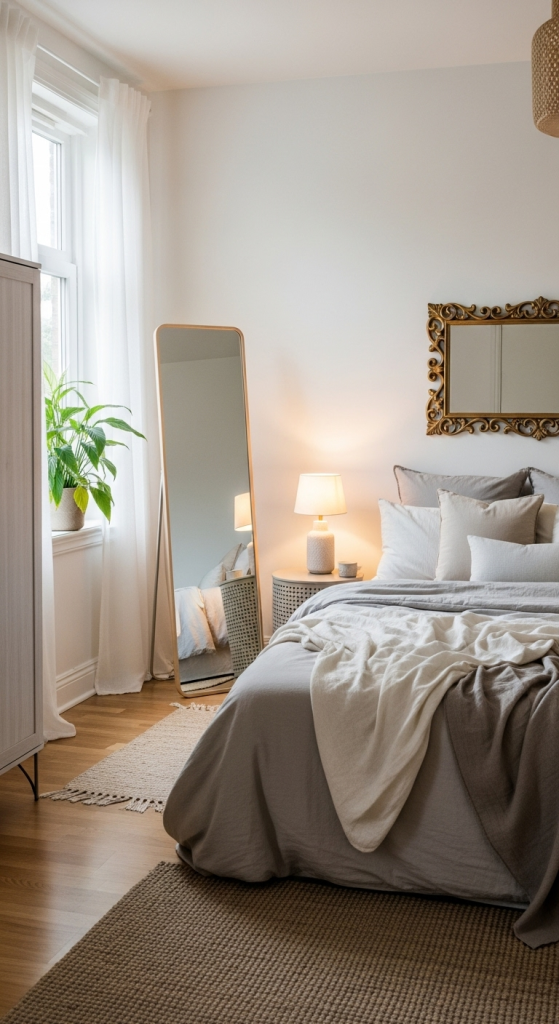
- Full-length mirrors are both practical and stylish, ideal for wardrobes or dressing areas.
- Mirrored wardrobes add a sleek, modern feel while saving space.
- Placing a decorative mirror above the headboard adds depth and visual interest.
When used strategically, mirrors in bedrooms serve as both a functional tool and a design feature.
5. Incorporating Mirrors into Living Room Décor
Living rooms offer endless possibilities for mirrors in interior design:
- Place a large floor-to-ceiling mirror against the wall for a modern vibe.
- Arrange a cluster of smaller mirrors in different shapes to create a gallery wall.
- Lean an oversized mirror casually against the wall for a chic, relaxed look.
Mirrors work well with almost every living room style, from contemporary to rustic, making them one of the most adaptable décor elements.

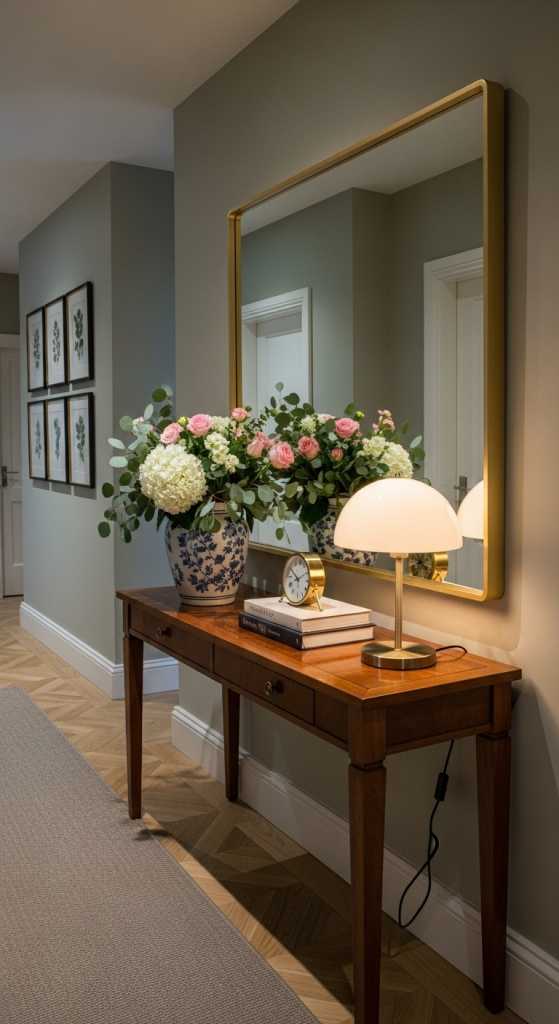
6. Functional Mirrors in Entryways and Hallways
Entryways are the perfect spot for mirrors. They not only let you check your look before leaving but also make narrow spaces appear brighter and more open.
A rectangular mirror above a console table creates a welcoming first impression, while round or oval mirrors soften the lines in small hallways.
7. Bathroom Mirrors: Style Meets Function
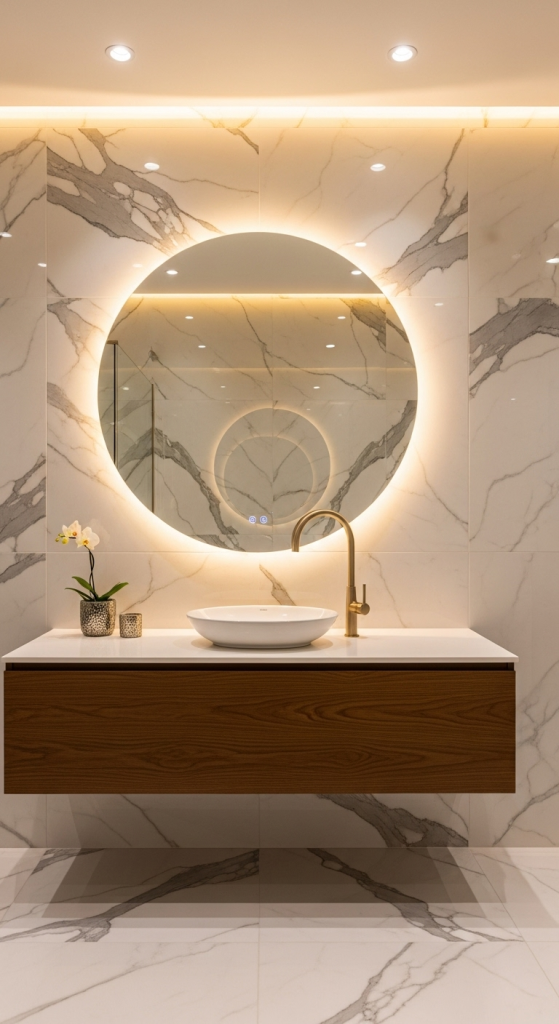
Bathrooms rely heavily on mirrors, but that doesn’t mean they need to be plain. Go beyond the standard rectangle by experimenting with:
- Backlit mirrors for a modern, luxurious touch.
- Round mirrors to soften clean, minimal bathrooms.
- Frameless mirrors for a sleek, contemporary look.
Well-placed bathroom mirrors maximize light, enhance functionality, and tie the design together.
8. Playing with Mirror Shapes and Frames
Mirrors come in endless shapes, from traditional rectangles to geometric designs. Choosing the right shape and frame helps set the tone of your décor:
- Rectangular mirrors emphasize clean, modern lines.
- Round mirrors create balance and soften harsh angles.
- Ornate frames add vintage or boho charm.
- Frameless designs work best in minimalist spaces.
Selecting a mirror that complements your interior style ensures it looks intentional, not just functional.
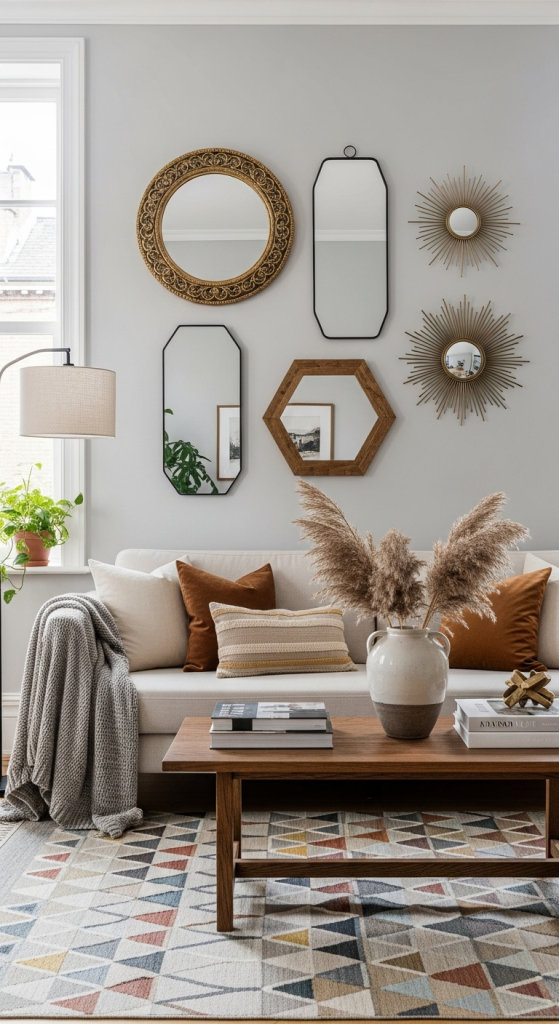
9. Layering Mirrors for Artistic Impact
For a creative twist, layer multiple mirrors of different sizes and shapes on the same wall. This technique creates dimension and visual intrigue, much like an art gallery. Mixing vintage frames with modern shapes makes for an eclectic and stylish display.
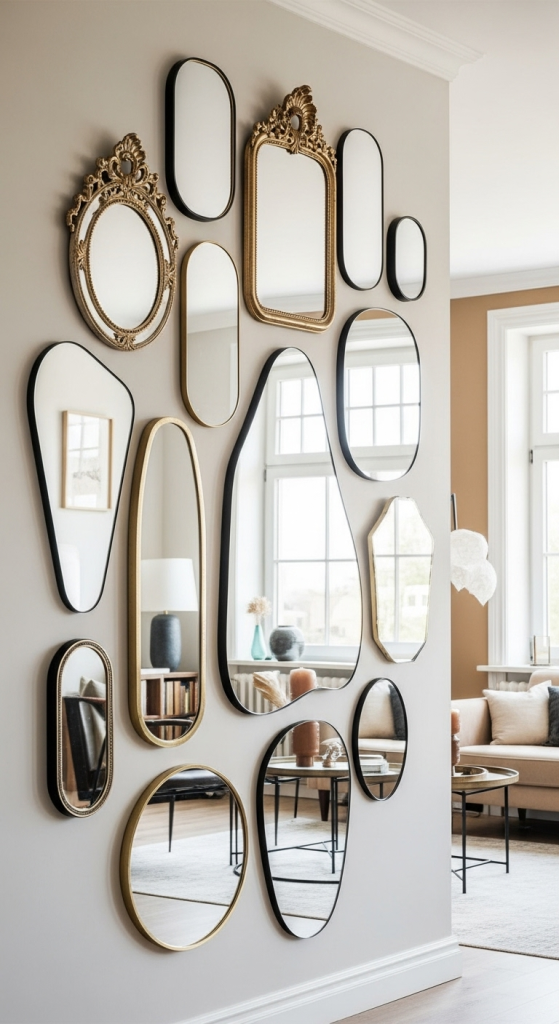
Tips for Decorating with Mirrors
- Avoid overusing mirrors, too many can make a room feel cluttered.
- Choose placement wisely, never position mirrors facing clutter or messy areas.
- Match mirrors with your style, rustic, modern, minimalist, or boho.
- Go big in small spaces, a large mirror can be more effective than several small ones.
Conclusion
Mirrors are one of the most powerful yet underrated tools in home décor. From expanding small spaces to adding artistic flair, they bring versatility and style to any room. Understanding how to incorporate mirrors into your interior design ensures your home feels brighter, larger, and more cohesive.
Whether you’re working with a tight budget or investing in statement pieces, mirrors have the power to completely transform your interiors. So, take a fresh look at your walls—your perfect mirror might be the missing piece.