14 Low Stimulation Room Ideas

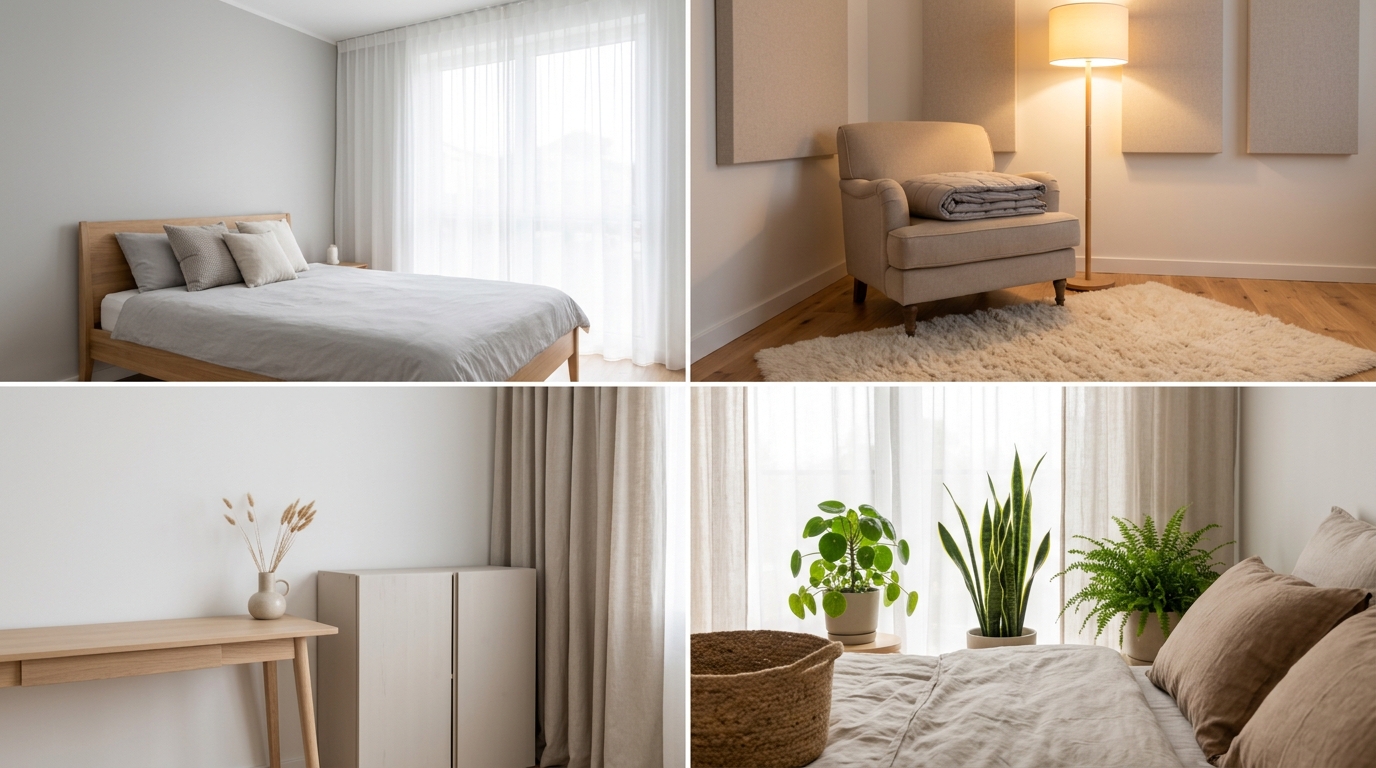
A low stimulation room is designed to feel calm, quiet, and mentally soothing. By reducing visual clutter, harsh lighting, and overwhelming patterns, you can create a space that promotes relaxation and focus. These low stimulation room ideas will help you design a peaceful environment that feels balanced, minimal, and comfortable.
1. Neutral Color Palette
Use soft, neutral tones like beige, cream, light gray, or muted pastels. These colors reduce visual stress and create a calming atmosphere
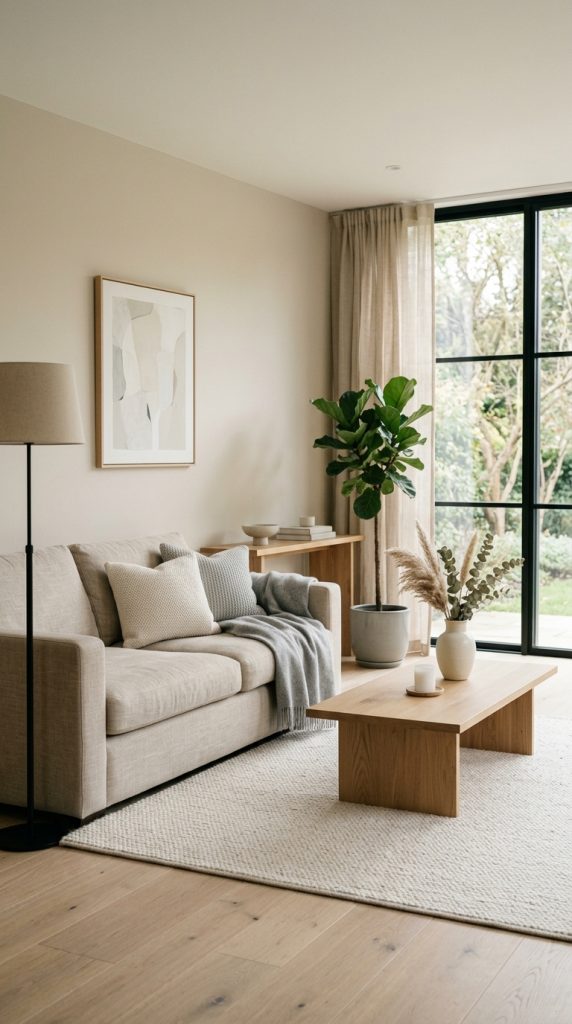
2. Minimal Furniture Layout
Keep only essential furniture pieces in the room. A simple layout prevents overcrowding and allows the space to feel open and breathable.
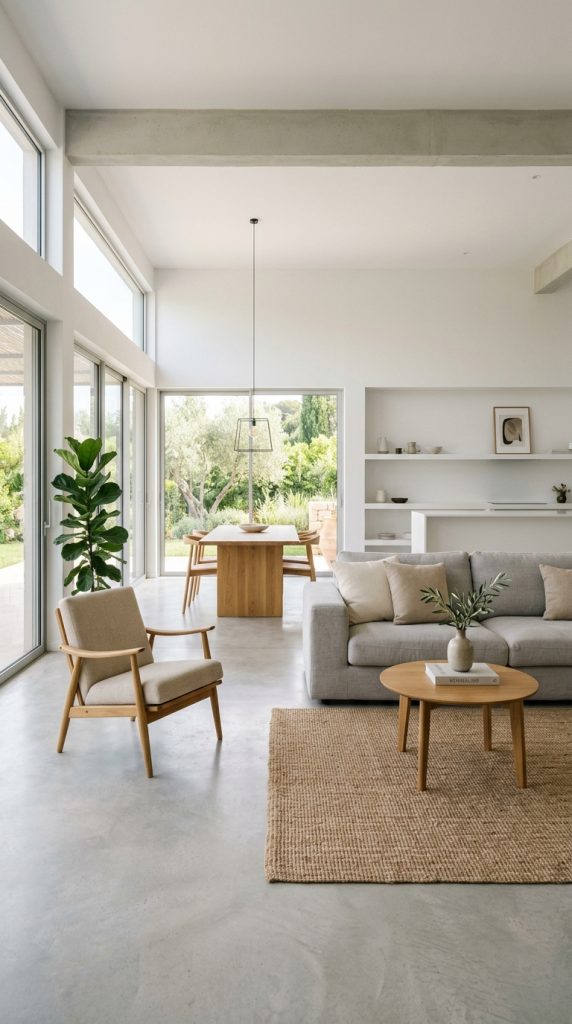
3. Soft Lighting Setup
Replace harsh overhead lights with warm, soft lighting like lamps or diffused bulbs. This creates a cozy and relaxing ambiance.
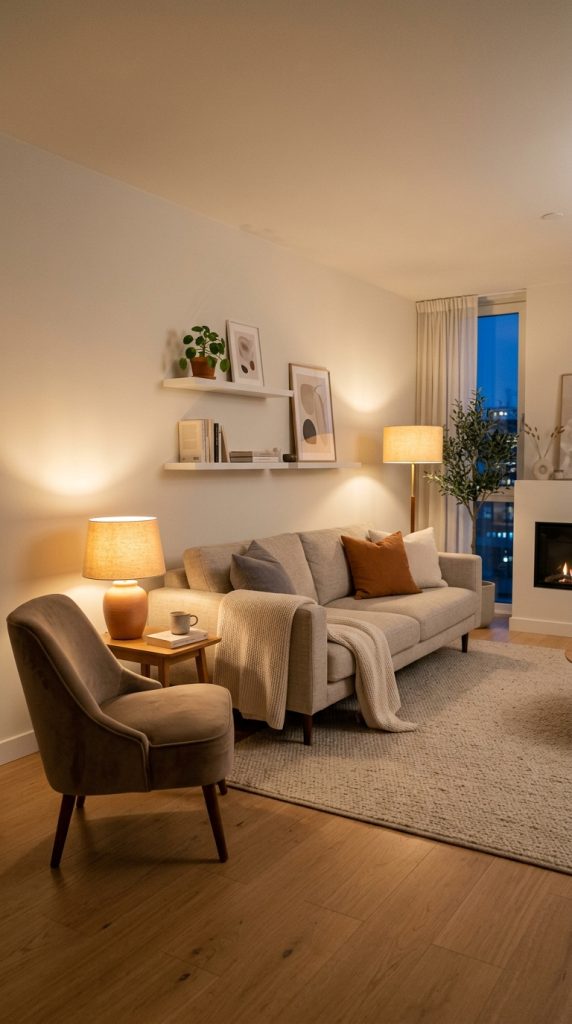
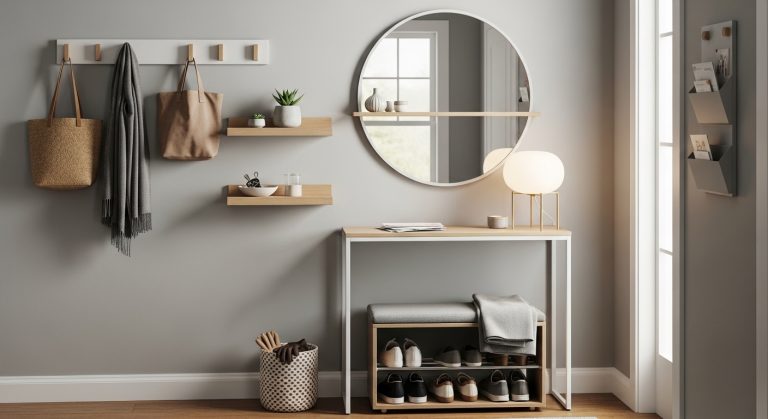
4. Decluttered Surfaces
Keep surfaces clear of unnecessary items. A clutter-free environment reduces distractions and promotes mental clarity.
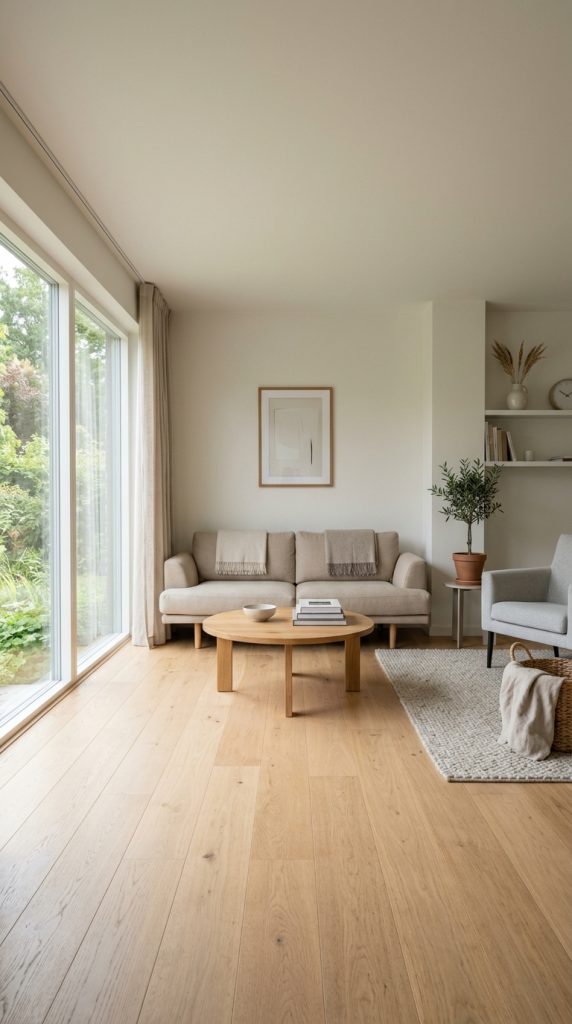
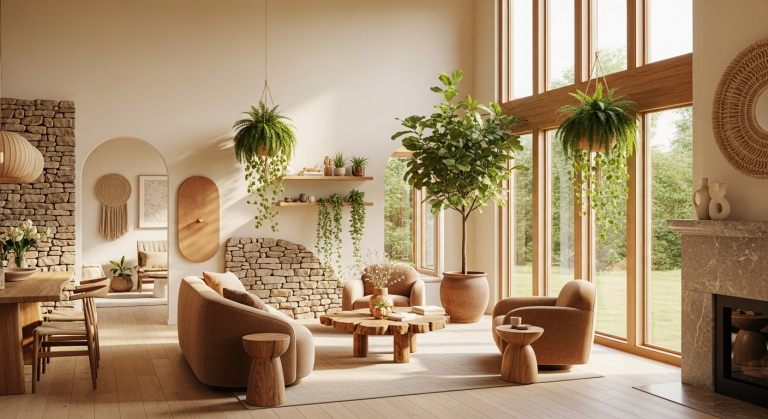
5. Natural Materials
Incorporate materials like wood, cotton, or linen. These textures feel organic and soothing, enhancing the overall calmness of the space.
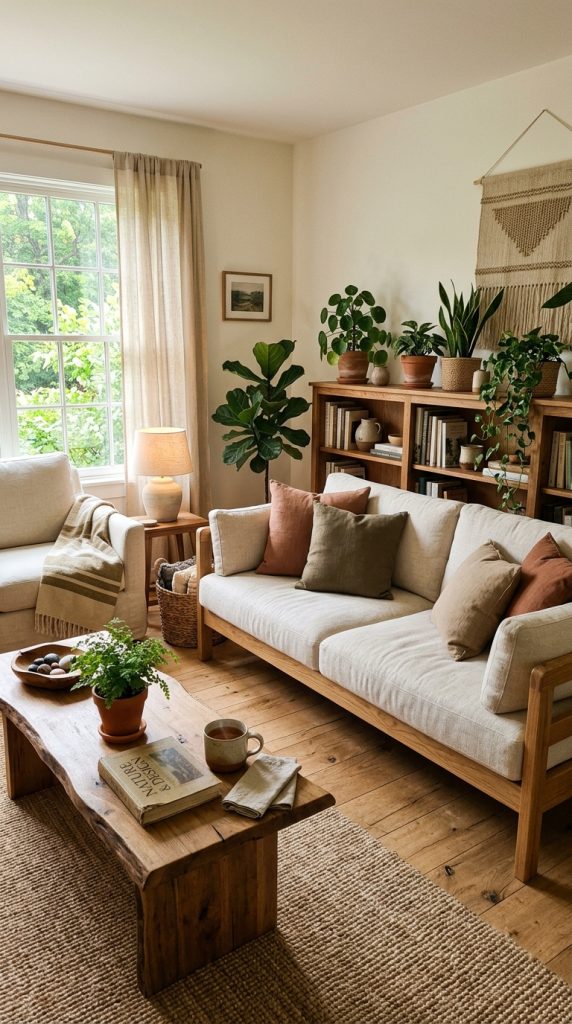
6. Simple Wall Décor
Choose minimal wall art or keep walls mostly bare. Avoid busy patterns to maintain a peaceful and uncluttered look.
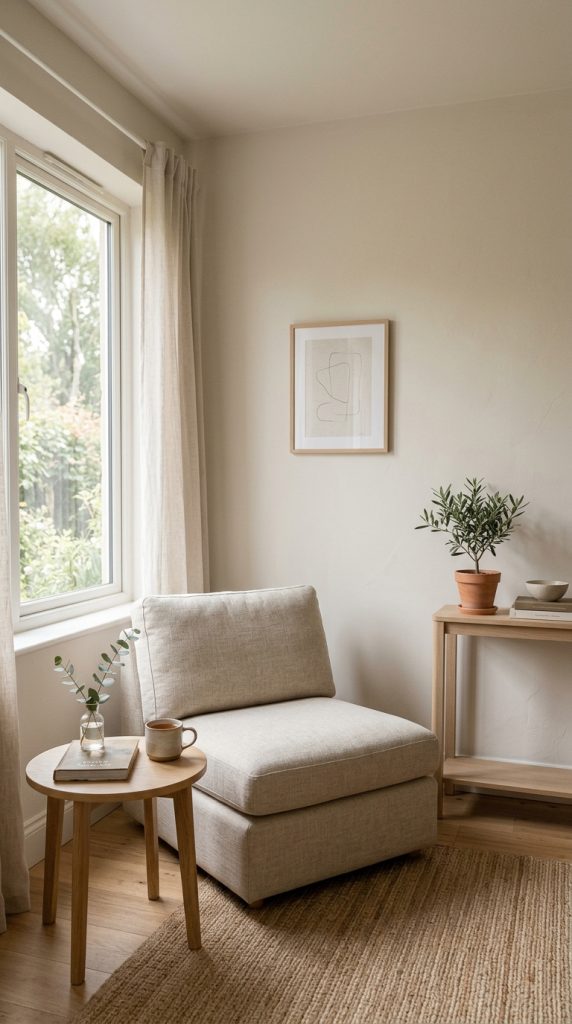
7. Cozy Textiles
Add soft rugs, cushions, and throws in subtle tones. These elements provide comfort without overwhelming the senses.
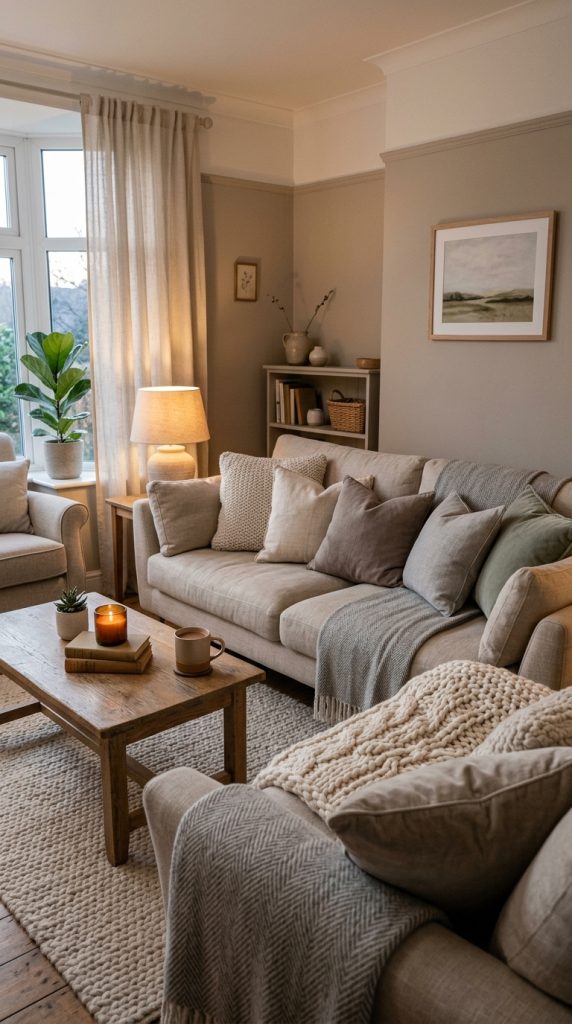
8. Sound Reduction Elements
Use curtains, rugs, or wall panels to absorb noise. A quieter environment helps create a more relaxing space.
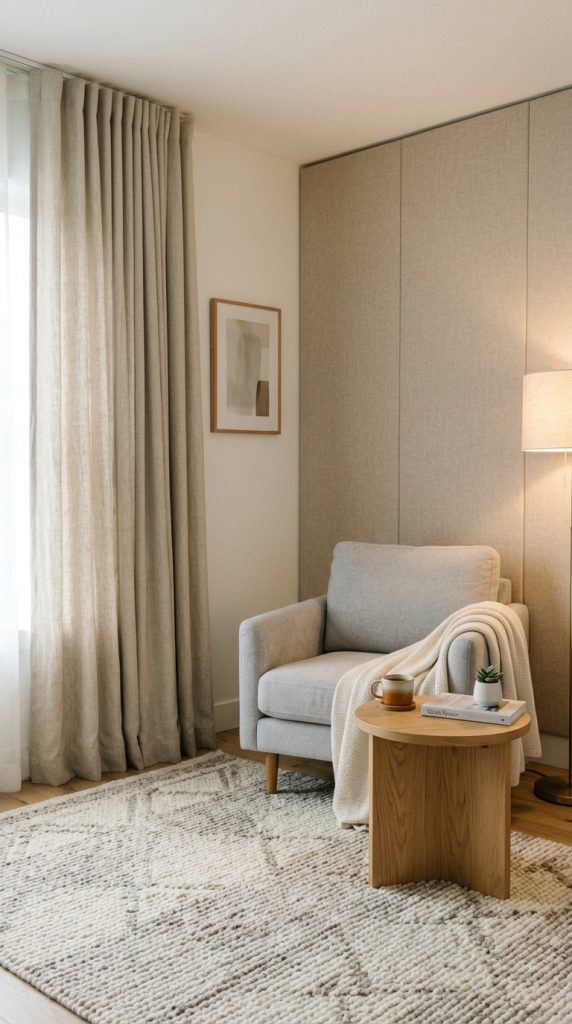
9. Hidden Storage Solutions
Use closed storage to keep items out of sight. This maintains a clean look and reduces visual clutter.
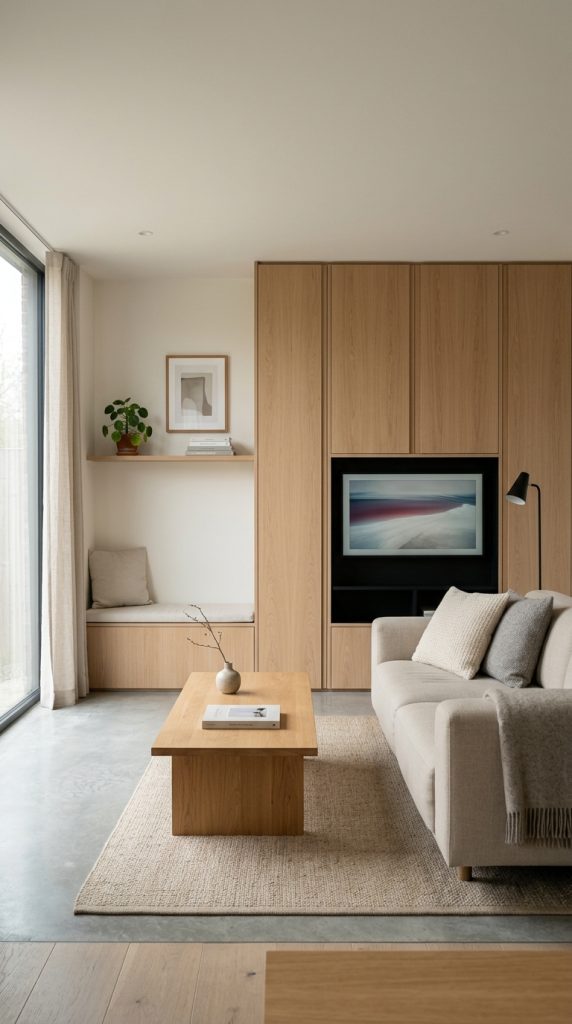
10. Low-Contrast Design
Stick to similar shades and avoid strong contrasts. A cohesive color scheme helps the room feel more balanced and less stimulating.
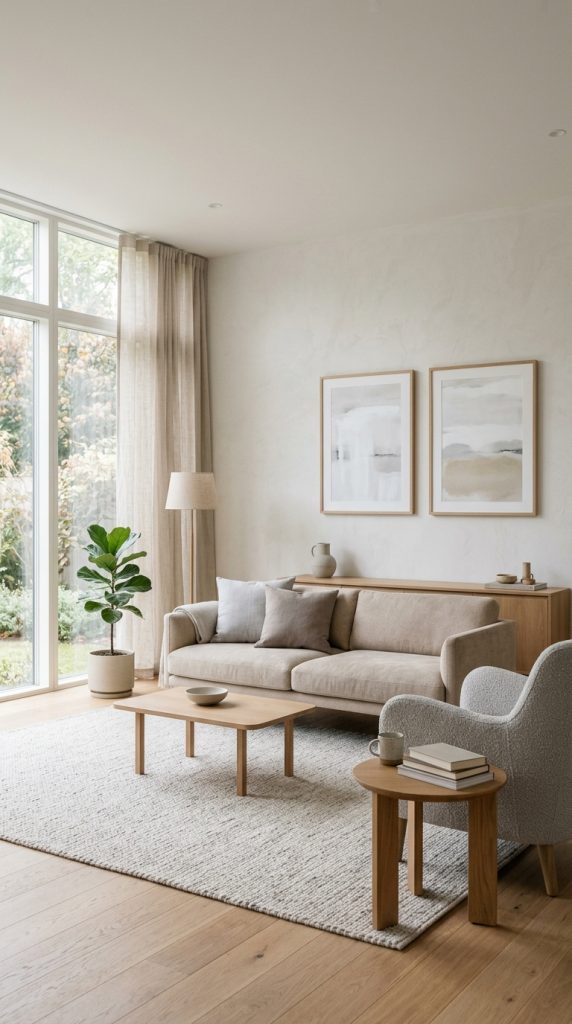
11. Gentle Natural Light
Allow soft natural light to enter through sheer curtains. This creates a bright yet calming environment.
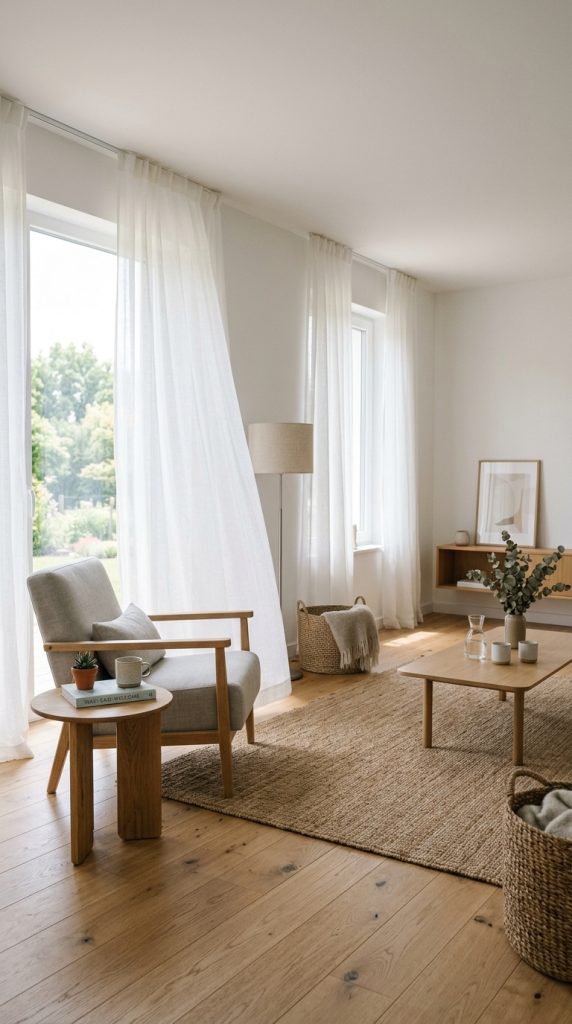
12. Limited Decorative Items
Choose a few meaningful décor pieces instead of many small items. This keeps the space intentional and uncluttered.
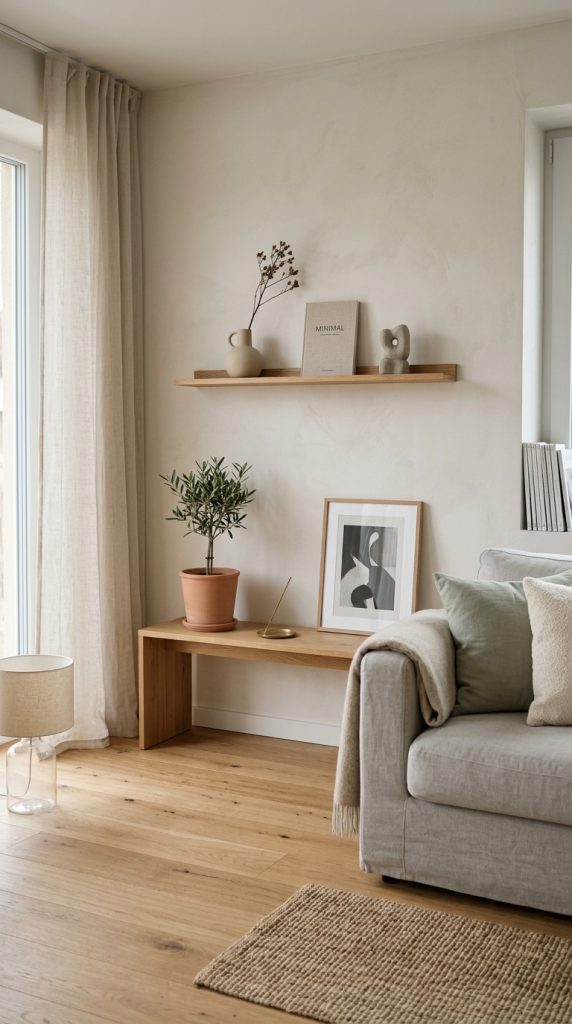
13. Comfortable Seating Area
Include a simple, comfortable chair or floor seating. It provides a dedicated spot for relaxation without adding visual noise.
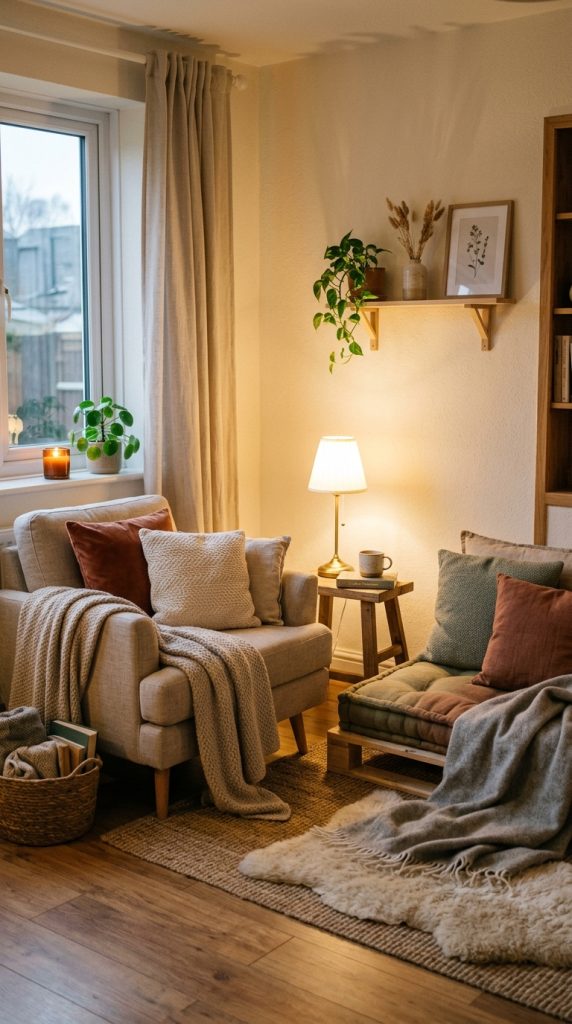
14. Calming Scents and Elements
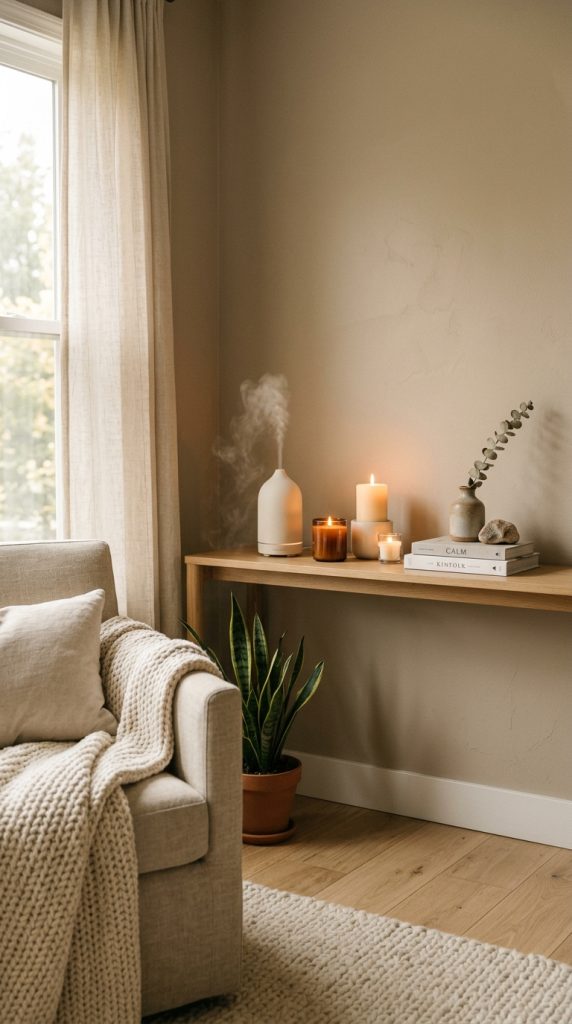
Add subtle calming elements like candles or diffusers. Gentle scents can enhance relaxation without overwhelming the senses.
Final Verdict
A low stimulation room is all about simplicity, comfort, and balance. By reducing clutter, softening lighting, and choosing calming colors, you can create a space that supports relaxation and mental clarity. These low stimulation room ideas help transform any room into a peaceful retreat from daily stress.