9 Flower Bed Edging Ideas

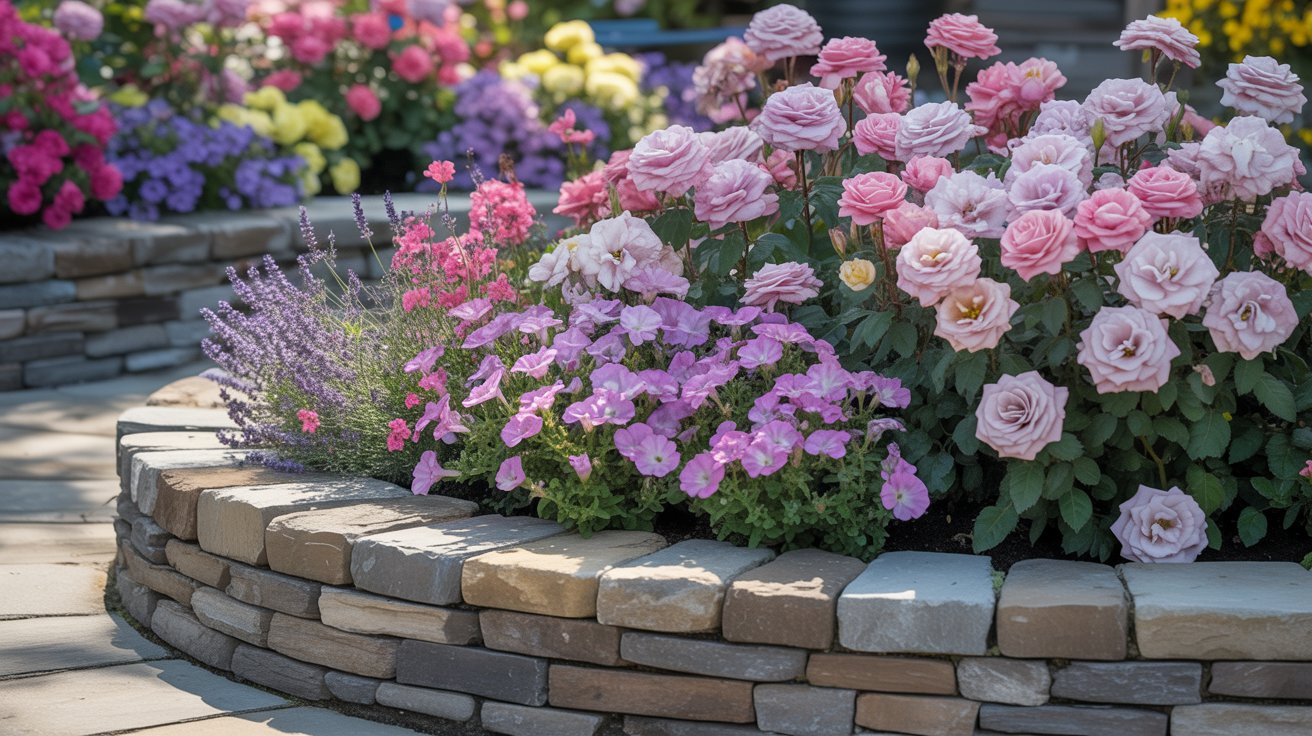
Adding borders around flower beds is an easy and effective way to enhance your garden’s beauty. Flower bed edging ideas not only define the space but also protect plants from grass encroachment, reduce maintenance, and give your garden a polished, professional look. From traditional materials like stone and wood to modern options like metal or recycled materials, there are endless ways to upgrade your outdoor space.
This guide explores practical and stylish edging options to help you transform your garden into a visually appealing sanctuary.
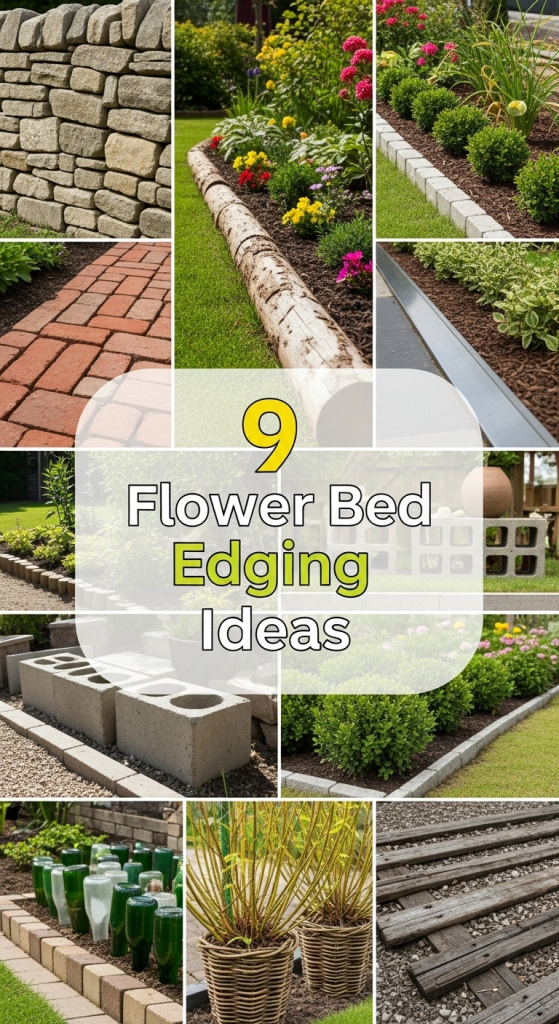
1. Classic Wooden Edging
Wood is a timeless choice for flower bed borders. Cedar, redwood, or pressure-treated timber works best because they resist rot and insects. Wooden edging can be installed in straight or curved lines, offering a natural, warm appearance that complements most garden styles.
Tips:
- Stain or seal wood for extra durability.
- Consider raised wooden borders for a more structured look.
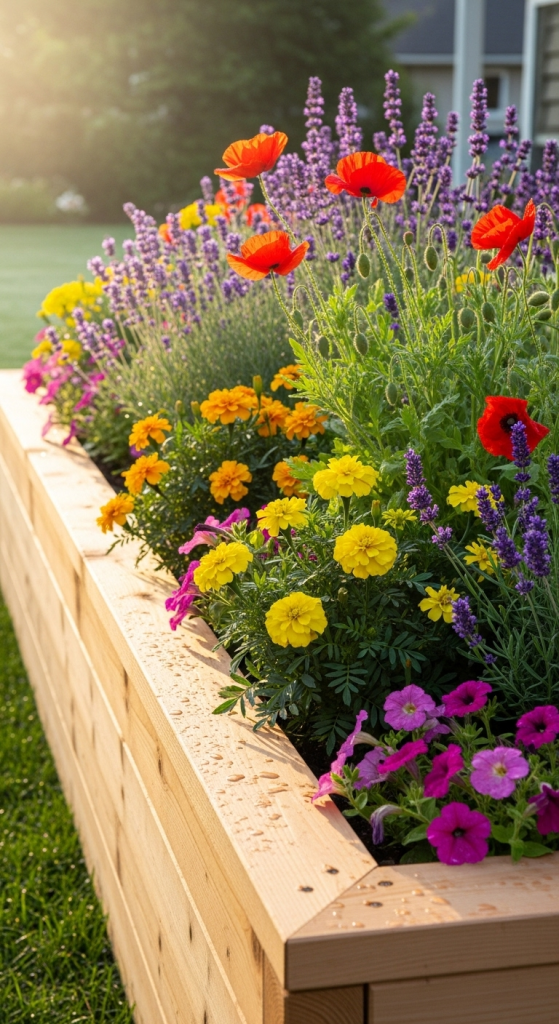
2. Stone Edging for Rustic Charm
Natural stone or flagstone adds a sophisticated and earthy feel. Stones can be stacked or laid flat along the edge of the flower bed. They are highly durable, low-maintenance, and fit beautifully into cottage-style or traditional gardens.
Tips:
- Use gravel or sand between stones to stabilize them.
- Mix different shapes and sizes for a more organic look.
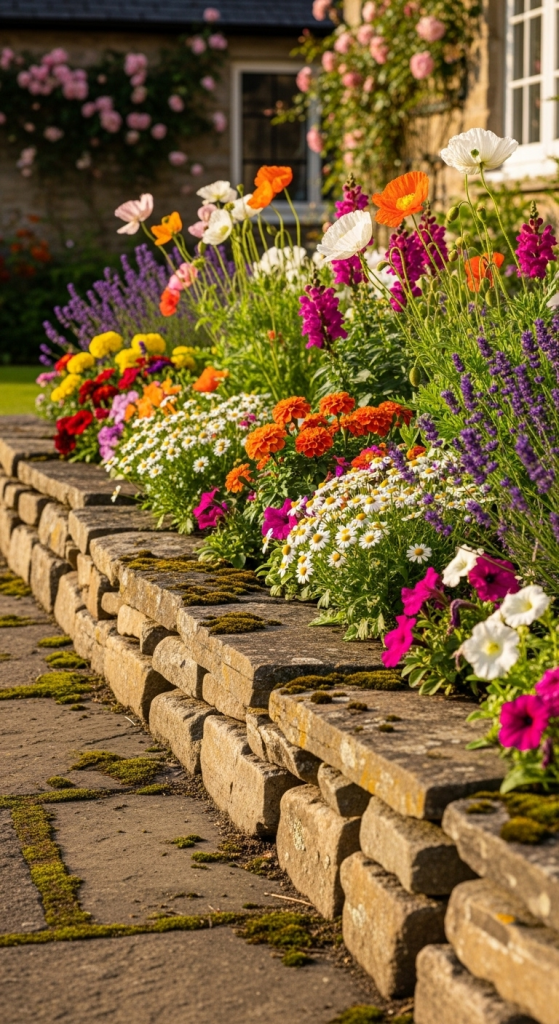
3. Brick Borders
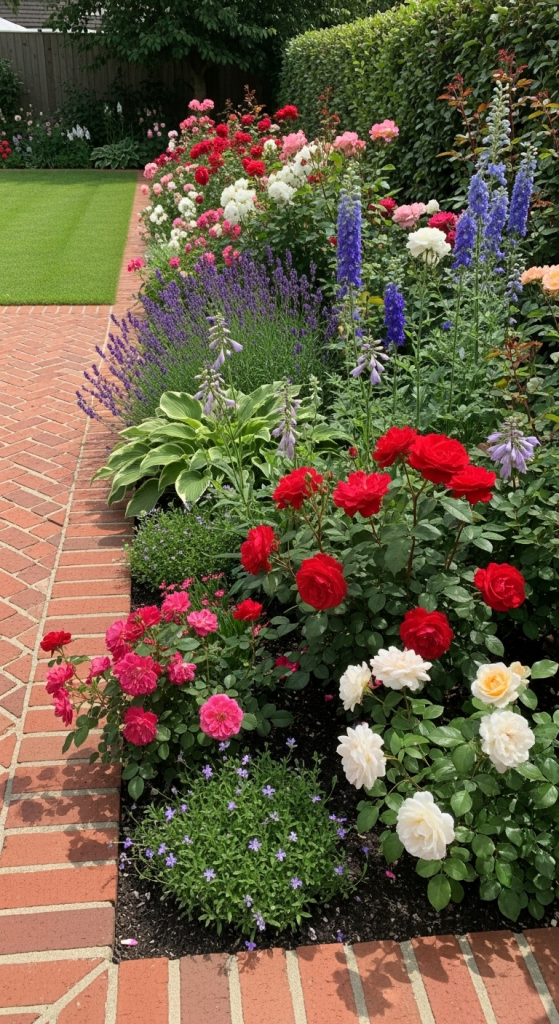
Brick edging offers a classic, clean-lined look. Bricks can be placed flush with the soil or slightly elevated for added dimension. You can experiment with patterns such as herringbone or diagonal layouts to add visual interest.
Tips:
- Use mortar for a permanent, long-lasting edge.
- Paint or seal bricks for added color and protection.
4. Metal or Steel Edging
Metal edging, including corten steel and aluminum, provides a sleek, modern aesthetic. Corten steel develops a rusted patina over time, creating an elegant, industrial look. Metal strips are highly durable, easy to install, and perfect for creating precise straight lines.
Tips:
- Ensure edges are buried slightly to prevent tripping.
- Combine with mulch or gravel for a clean appearance.

5. Plastic and Composite Edging
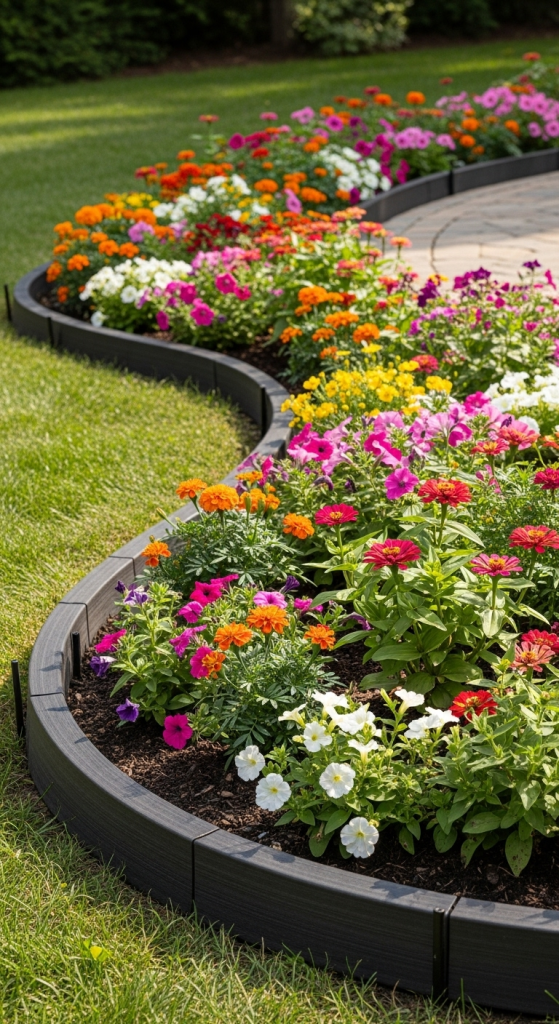
Plastic and composite materials are low-cost, weather-resistant, and versatile. They can mimic wood or stone finishes and are easy to cut to size for curved or irregular beds.
Tips:
- Ideal for DIY projects and temporary garden layouts.
- Lightweight and easy to move when redesigning the garden.
6. Natural Edges
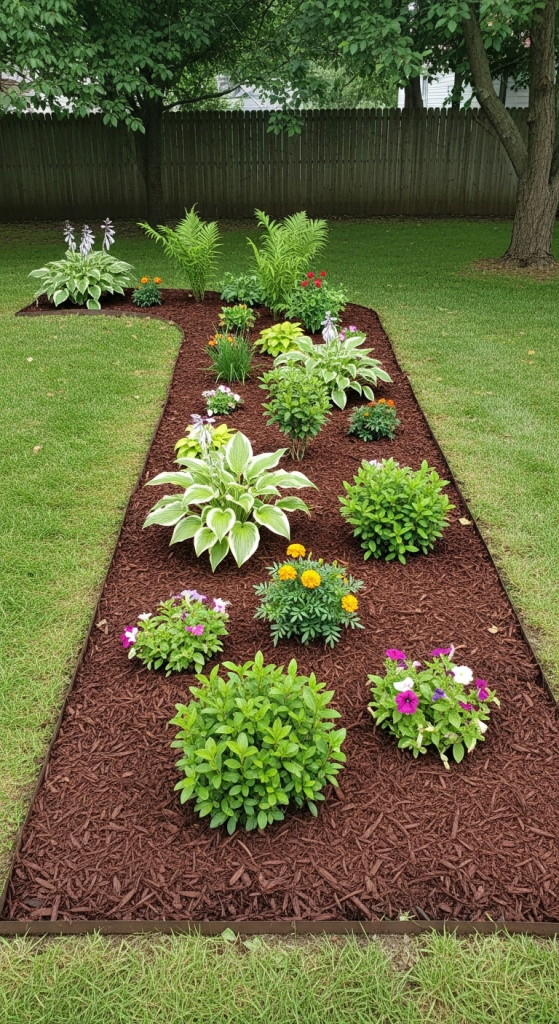
For a no-fuss approach, simply dig a trench along the flower bed edge. This clean soil boundary creates a natural, minimalist look. It’s inexpensive, easy to maintain, and perfect for informal or cottage gardens.
Tips:
- Re-cut edges periodically to maintain crisp lines.
- Combine with mulch to enhance the clean appearance.
7. Decorative Stones or Gravel
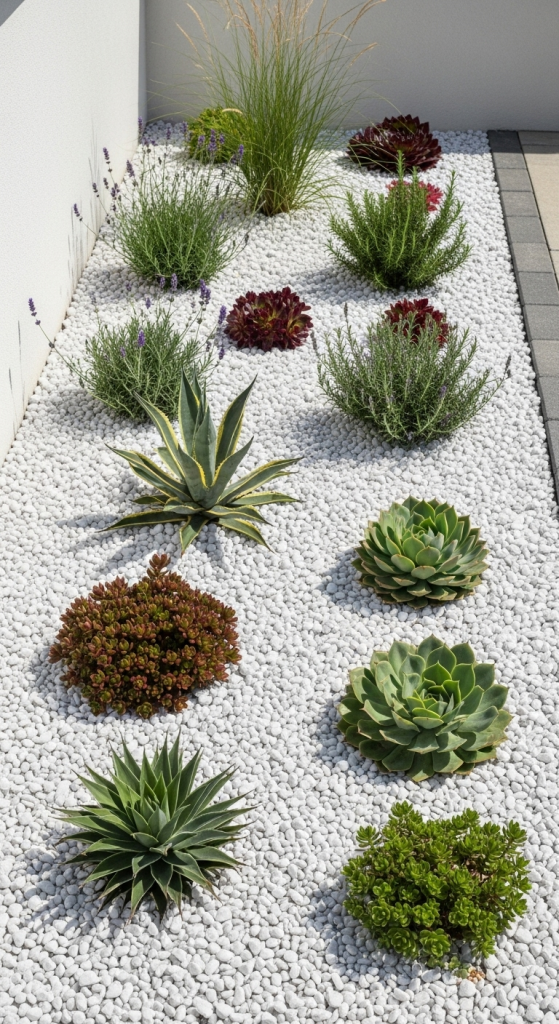
Gravel or small decorative stones can serve as both mulch and edging. Place a line of stones around your flower bed for a defined boundary while keeping soil moisture intact. This option is especially suitable for drought-resistant or succulent gardens.
Tips:
- Use landscaping fabric under the stones to prevent weeds.
- Mix stone colors for visual contrast.
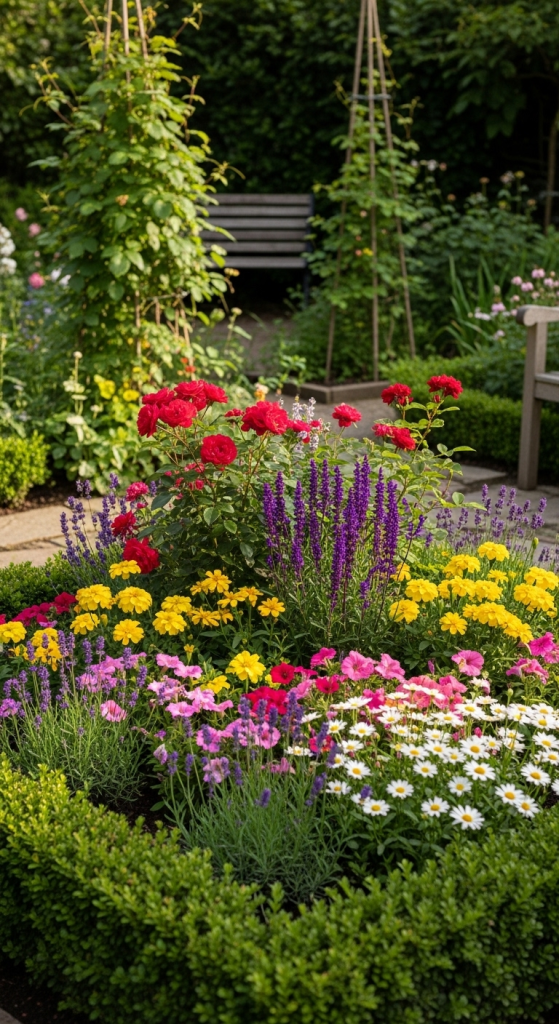
8. Living Edges
Hedges or low-growing plants such as boxwood, lavender, or creeping thyme can serve as a natural flower bed edge. Living edges add softness, fragrance, and texture to your garden while creating a continuous green border.
Tips:
- Trim regularly to maintain a defined shape.
- Combine with mulch or stone for added contrast.
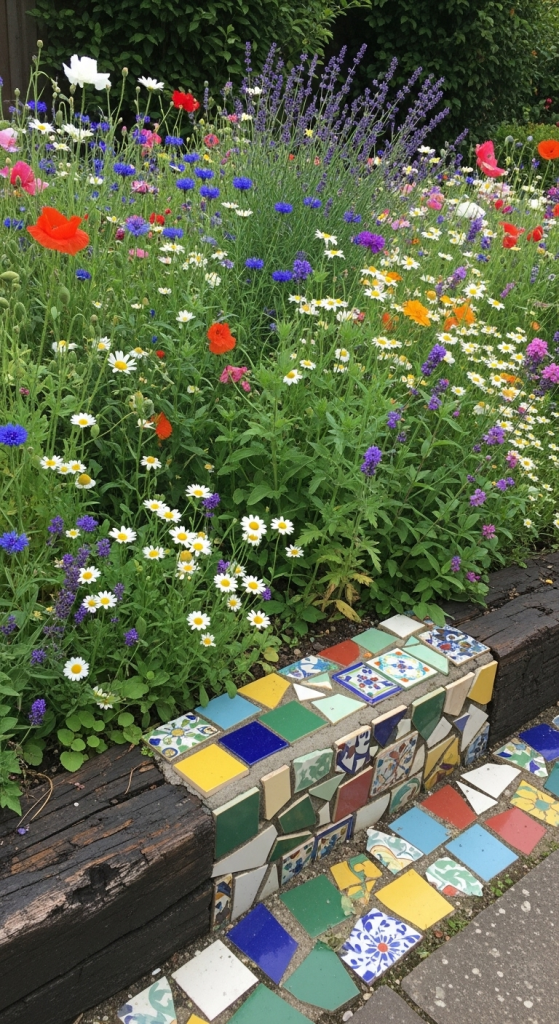
9. Reclaimed and Upcycled Materials
For an eco-friendly and unique look, use reclaimed materials like railway sleepers, broken tiles, or repurposed bricks. These options reduce waste and add character to your garden.
Tips:
- Treat reclaimed wood to prevent decay.
- Arrange materials creatively to match your garden’s style.
Tips for Choosing the Right Flower Bed Edging
- Consider garden style: Rustic, modern, or classic.
- Factor in durability: Choose materials suited for your climate.
- Think maintenance: Some materials need more upkeep than others.
- Plan the shape: Curved edges soften the look; straight edges are more formal.
- Combine function with aesthetics: Ensure the edging complements both the flowers and the lawn.
Conclusion
Implementing flower bed edging ideas can elevate the appearance and functionality of your garden. Whether you prefer natural, rustic, modern, or eco-friendly designs, the right edging creates clean lines, protects plants, and adds structure to your outdoor space. A well-edged flower bed transforms an ordinary garden into a beautiful, organized, and inviting landscape.