10 Designer Secrets for Layering Home Textures

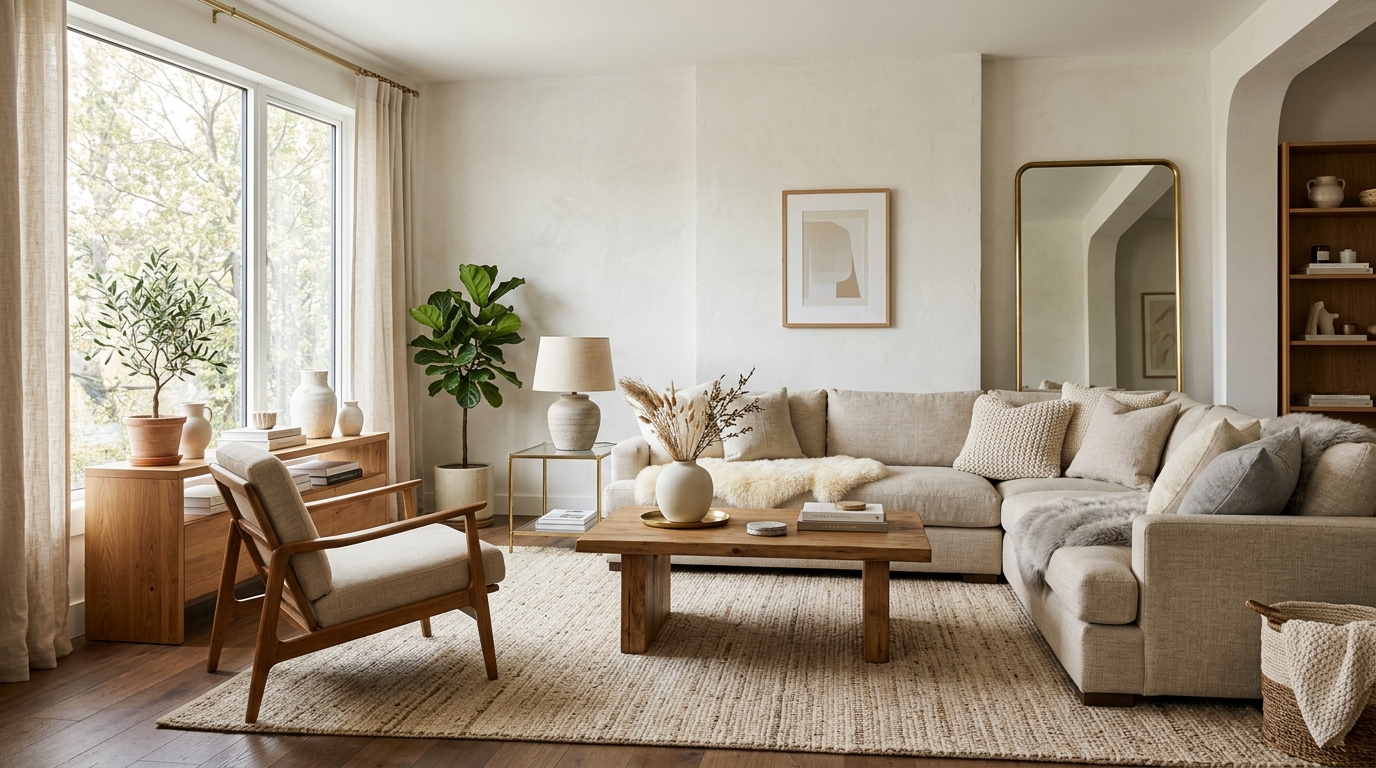
A beautifully designed room rarely relies on color alone. Instead, designers focus on layering materials to create depth, warmth, and visual interest. These 10 designer secrets for layering home textures reveal how combining fabrics, finishes, and surfaces can transform a flat interior into a space that feels rich and inviting. Texture layering is one of the most effective ways to elevate a room while keeping the overall palette calm and cohesive.
Designer secrets for layering home textures focus on balance rather than excess. By mixing soft and structured materials, matte and reflective finishes, and natural and refined elements, interiors gain dimension without feeling cluttered.
1. Start With a Textured Foundation
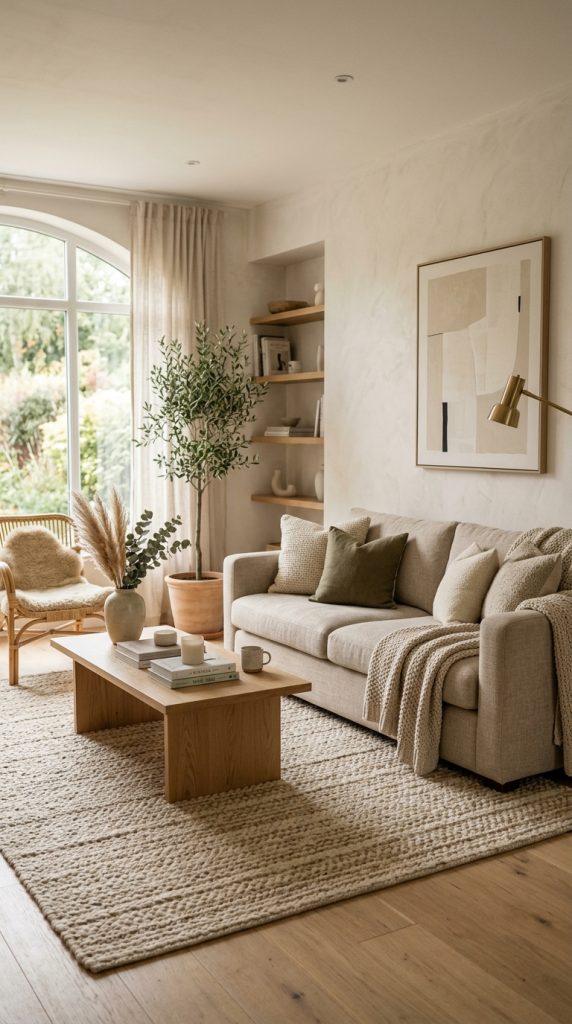
The foundation of most designer secrets for layering home textures begins with large surfaces.
Start with:
- Area rugs
- Upholstery fabrics
- Wall finishes
These elements create the base layer that defines the room’s overall texture.
2. Combine Soft and Structured Materials
Contrast adds visual depth.
Examples include:
- Linen sofas with metal tables
- Velvet cushions on wooden furniture
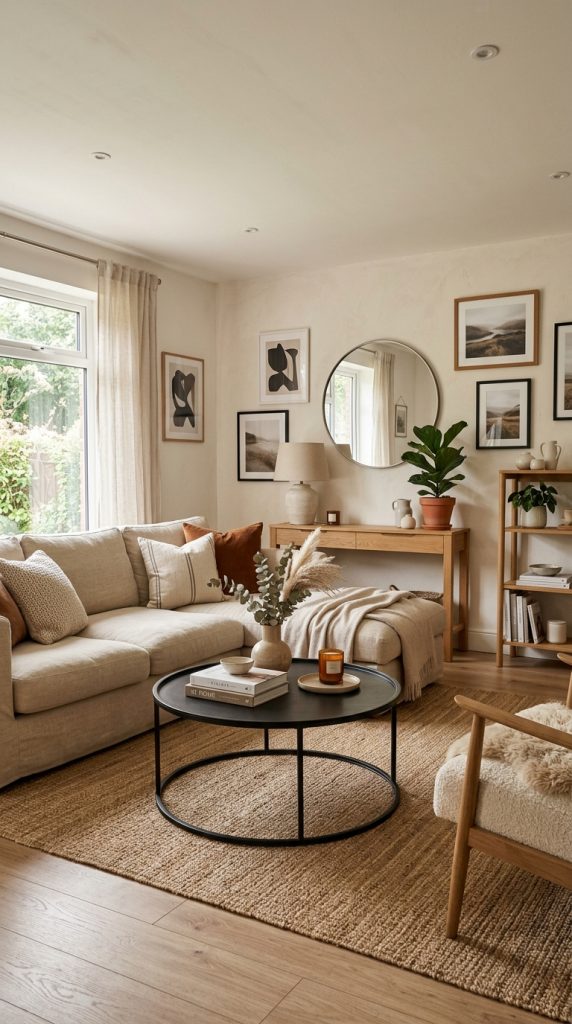
Mixing soft and structured elements is one of the most effective designer secrets for layering home textures.
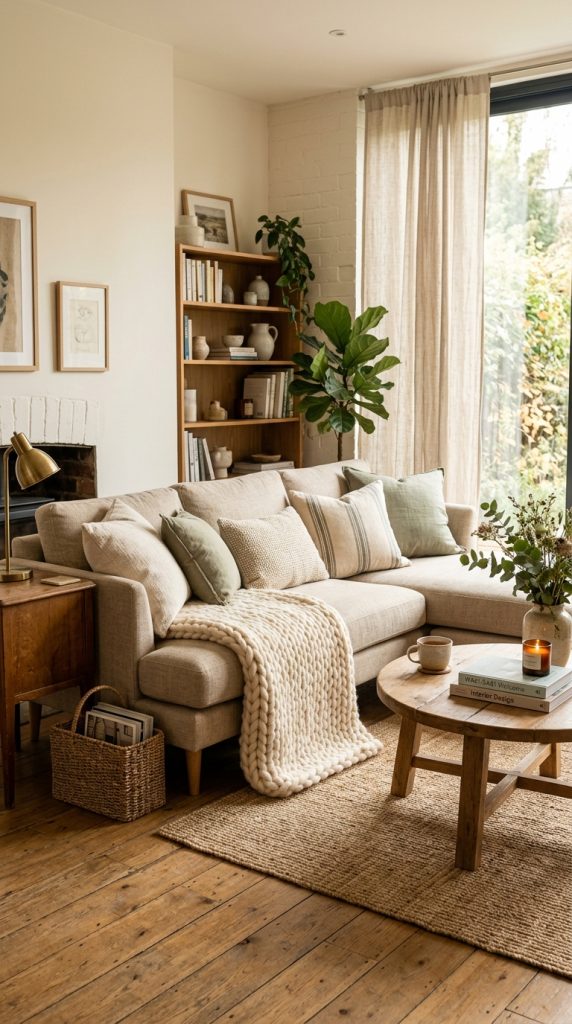
3. Layer Different Fabric Weights
Fabrics with varied thickness create interest.
Combine:
- Lightweight linens
- Medium-weight cotton
- Chunky knit throws
This layering approach prevents the space from feeling flat.
Also Visit: 12 Marble Plus Brass Interior Styling Ideas
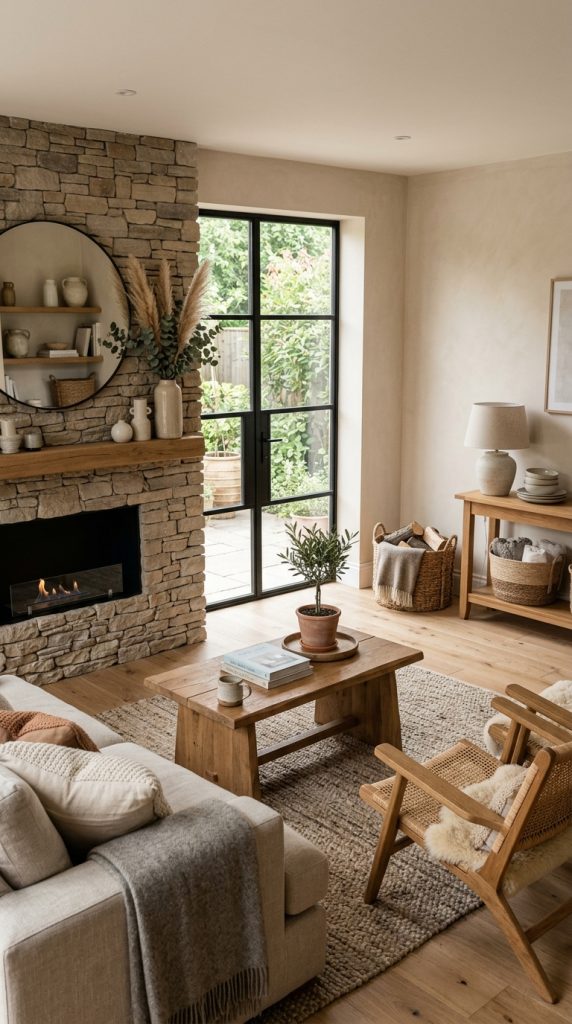
4. Mix Natural Materials
Natural materials add authenticity and warmth.
Consider combining:
- Wood
- Stone
- Woven fibers
- Ceramic
These materials form the foundation of many designer secrets for layering home textures.
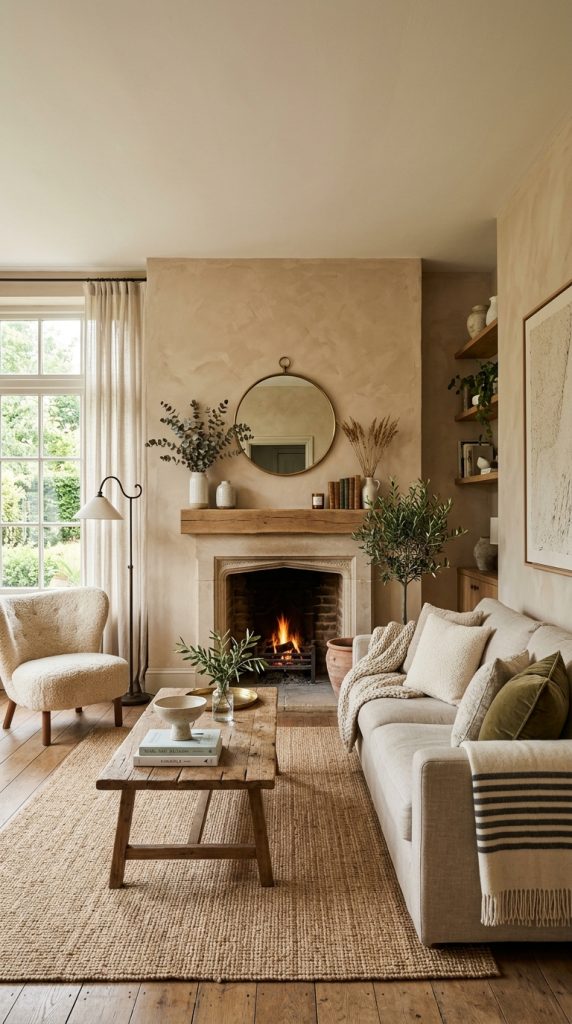
5. Use Textured Wall Elements
Walls offer opportunities for subtle texture.
Options include:
- Wall paneling
- Limewash paint
- Textured wallpaper
These surfaces add dimension without overwhelming the room.
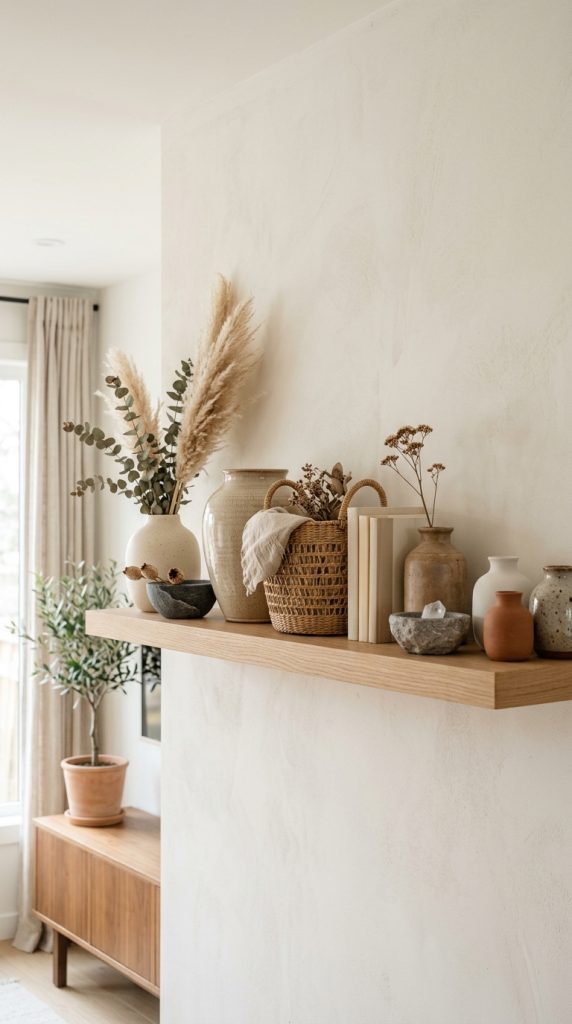
6. Add Decorative Objects With Depth
Accessories help reinforce texture layering.
Examples:
- Ceramic vases
- Stone bowls
- Woven baskets
These details enhance designer secrets for layering home textures throughout the space.
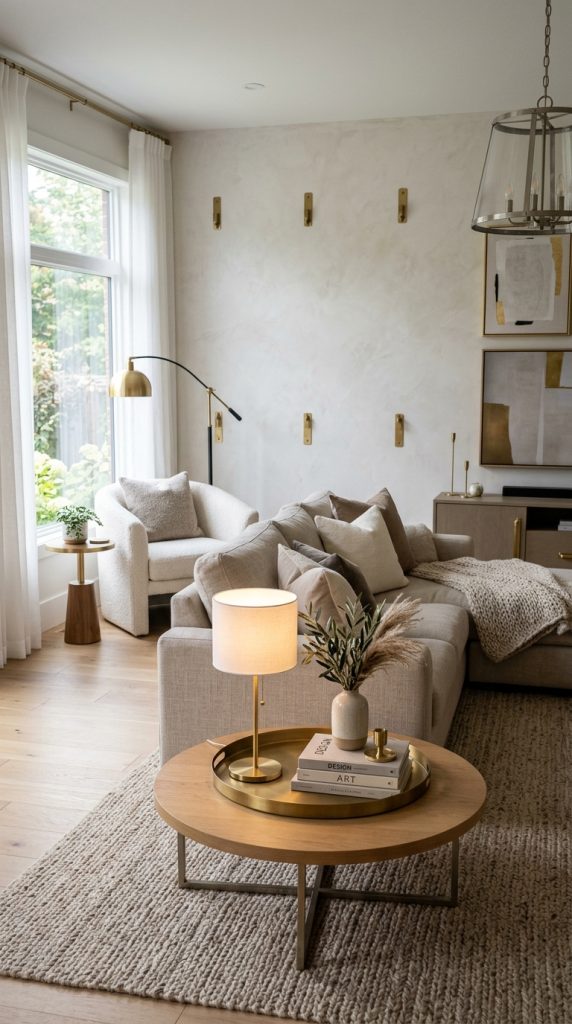
7. Introduce Metallic Accents
Metallic elements create contrast against soft materials.
Use sparingly:
- Brass trays
- Metal lamps
- Decorative hardware
Shiny surfaces balance matte textures.
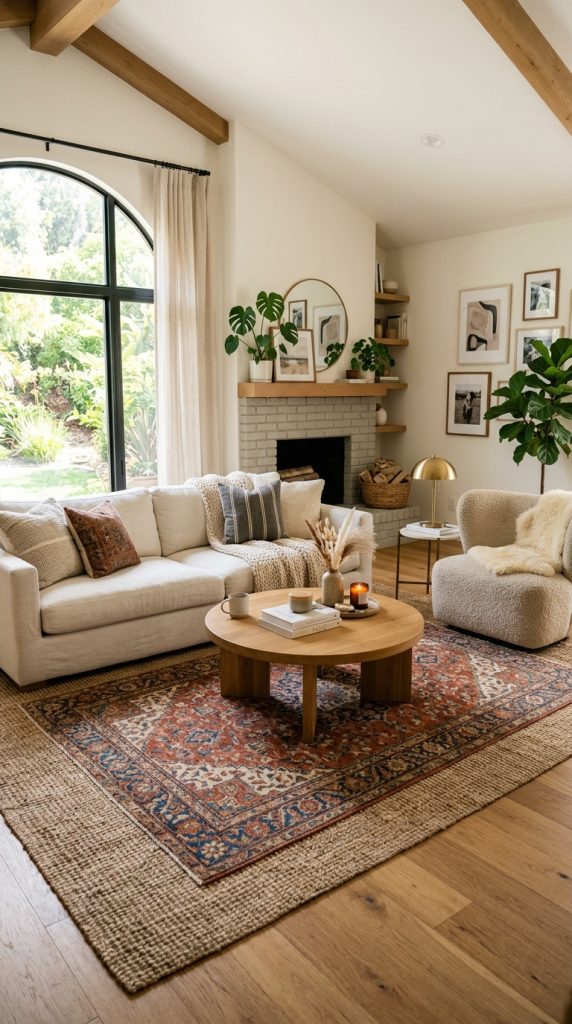
8. Layer Rugs for Warmth
Rug layering adds visual softness and dimension.
Why it works:
- Creates depth
- Adds comfort
- Defines seating areas
Designers often place smaller patterned rugs over larger neutral ones.
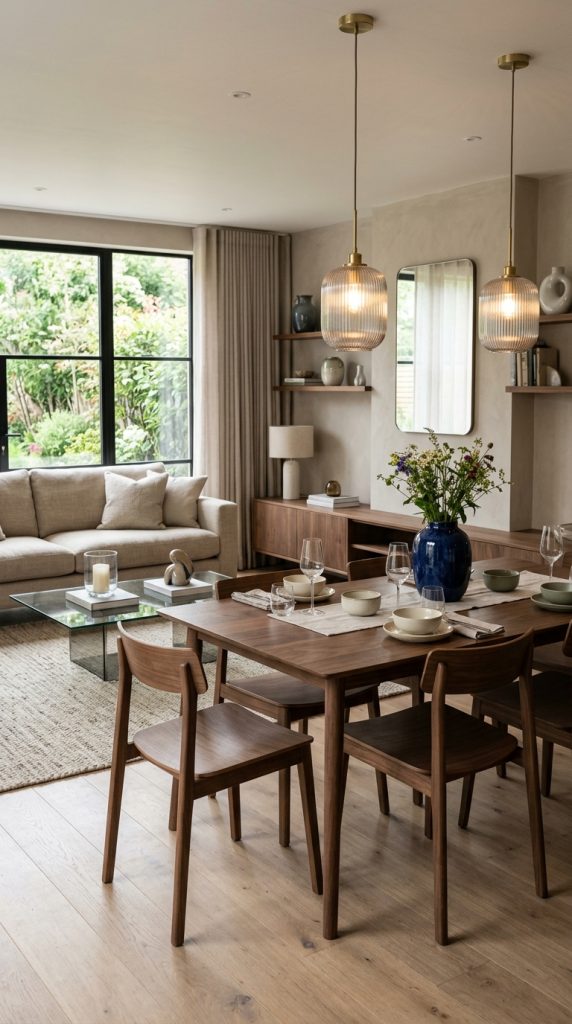
9. Balance Matte and Reflective Surfaces
A mix of finishes keeps interiors visually dynamic.
Examples include:
- Matte wood furniture
- Glossy ceramics
- Glass surfaces
This balance is a key element in designer secrets for layering home textures.
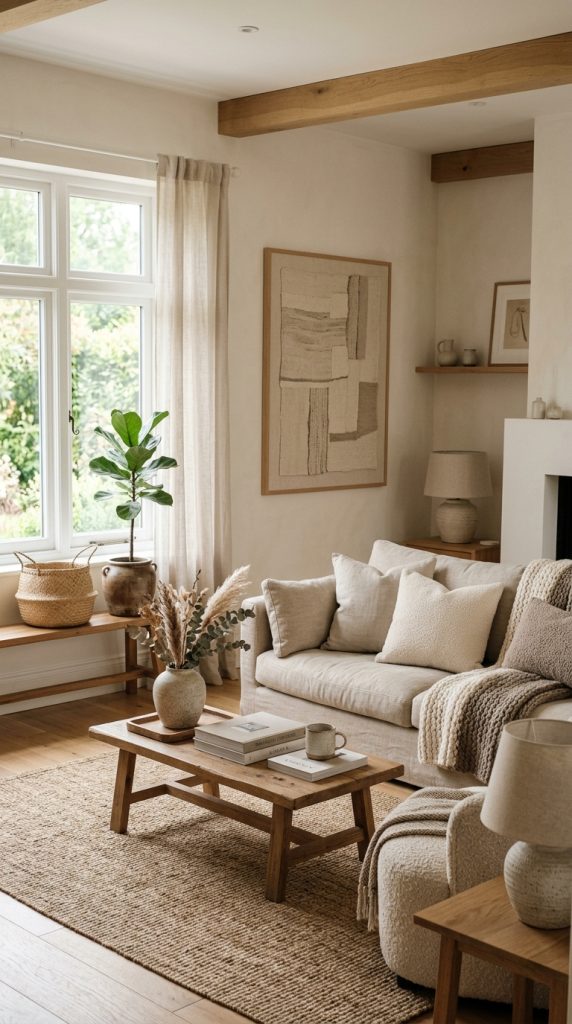
10. Keep the Color Palette Cohesive
Texture layering works best when colors remain controlled.
Benefits:
- Prevents visual chaos
- Keeps the room calm
- Highlights material contrast
Neutral palettes often allow textures to stand out more clearly.
Final Verdict
These 10 designer secrets for layering home textures demonstrate how thoughtful material combinations can transform a room from simple to sophisticated. By mixing fabrics, natural elements, reflective accents, and varied finishes, interiors gain warmth, depth, and visual interest. Designer secrets for layering home textures prove that the most inviting spaces rely not on excessive decoration but on balanced layers that create comfort and refinement.