13 Bedroom Ideas for Better Sleep

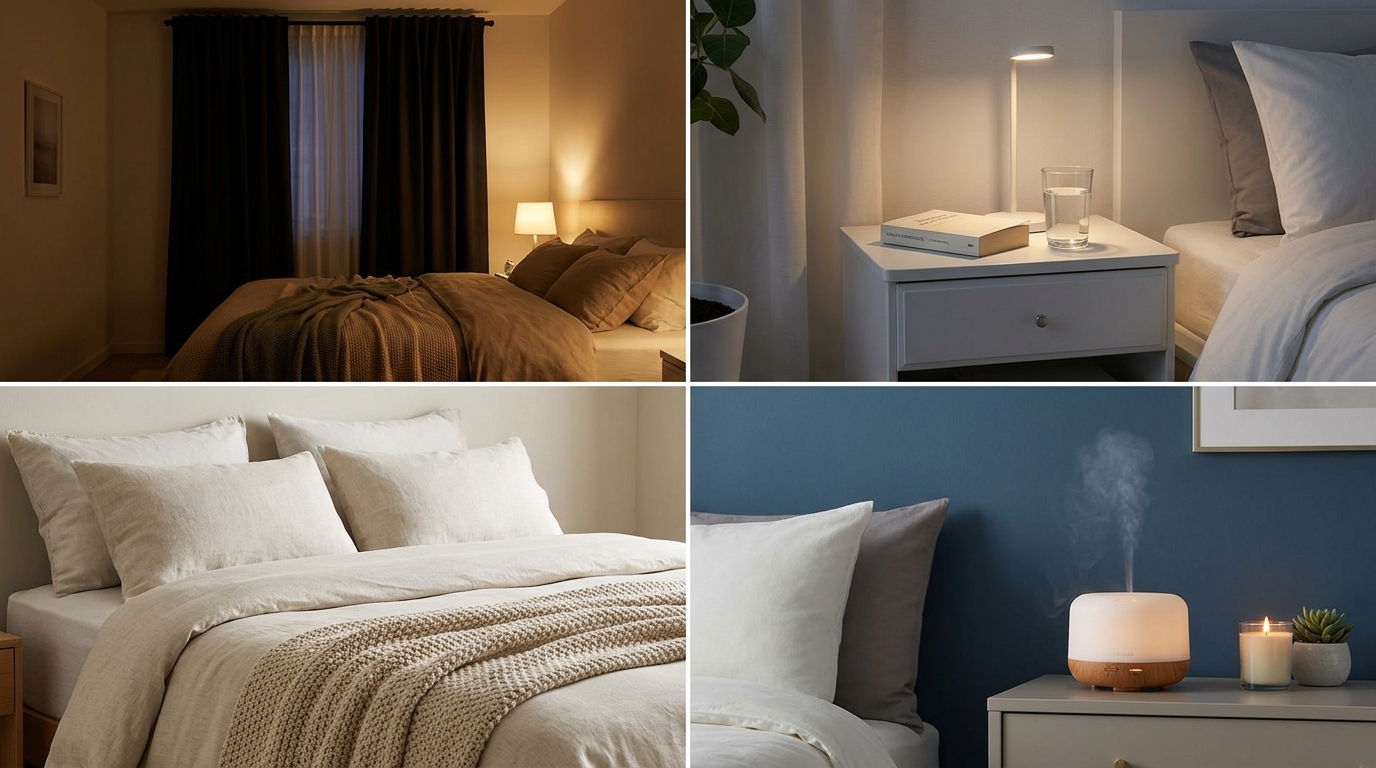
A good night’s sleep is essential for physical health, mental well-being, and daily productivity. While many people focus on bedtime routines, the design and atmosphere of a bedroom can have a significant impact on sleep quality. Here are 13 bedroom ideas that can help create a more restful and relaxing sleep environment.

1. Choose Calming Colors
Soft, muted colors such as light blue, sage green, lavender, and warm gray promote relaxation. Avoid overly bright or stimulating colors that may make it harder to unwind.

2. Invest in a Quality Mattress
Your mattress is one of the most important factors affecting sleep. Choose a mattress that provides the right balance of comfort and support based on your sleeping position and preferences.

3. Upgrade Your Pillows
The right pillow helps maintain proper neck and spine alignment. Replace old or flattened pillows and select options that suit your sleeping style.

4. Control Bedroom Lighting
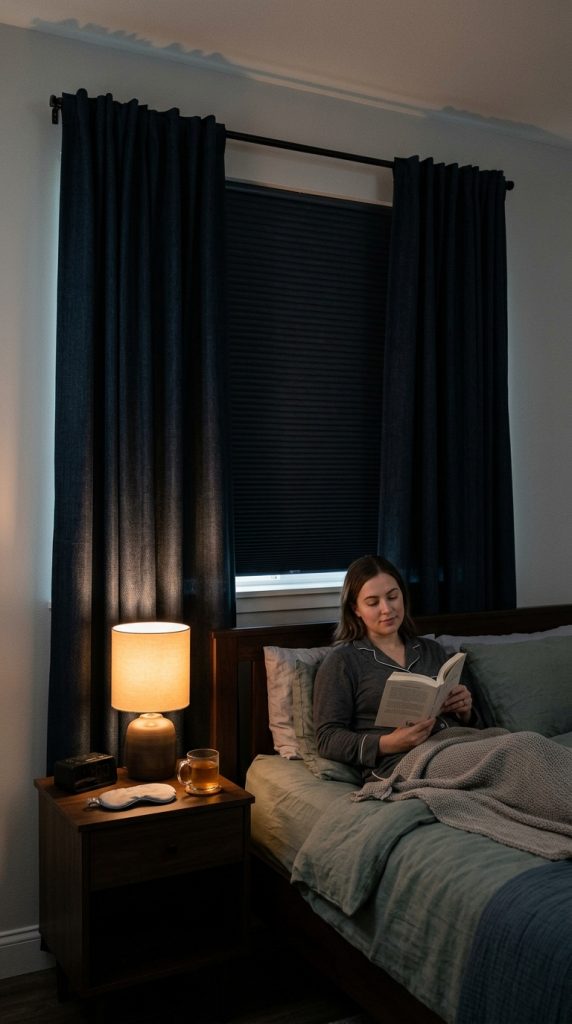
Use blackout curtains or shades to block outside light. Dim lighting in the evening signals your body that it’s time to prepare for sleep.
5. Keep the Room Cool
Most sleep experts recommend maintaining a bedroom temperature between 60°F and 67°F (15°C–19°C). A cooler environment often leads to deeper, more comfortable sleep.

6. Reduce Noise Levels
Minimize disturbances with soundproof curtains, rugs, or a white-noise machine. A quieter room can help you fall asleep faster and stay asleep longer.

7. Declutter the Space
A cluttered bedroom can create stress and distraction. Keep surfaces tidy and store unnecessary items out of sight to promote a sense of calm.
8. Use Comfortable Bedding
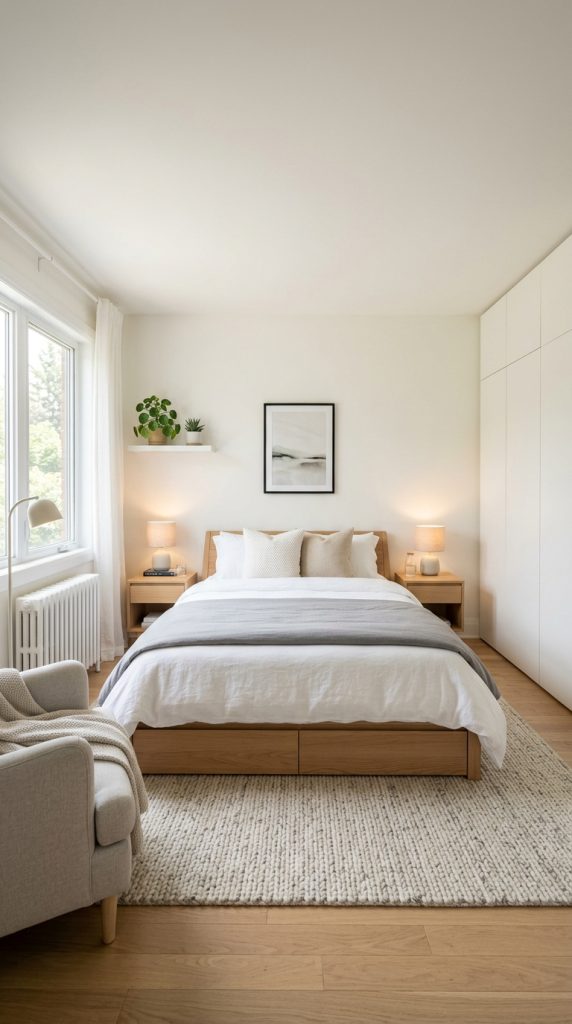
High-quality sheets, blankets, and comforters can improve comfort and temperature regulation throughout the night.

9. Add Natural Elements
Houseplants, wooden furniture, and natural textures can create a soothing atmosphere. Certain plants may also improve air quality and add visual tranquility.

10. Limit Electronic Devices
Televisions, smartphones, and tablets emit blue light that can interfere with your sleep cycle. Keep screens out of the bedroom whenever possible.

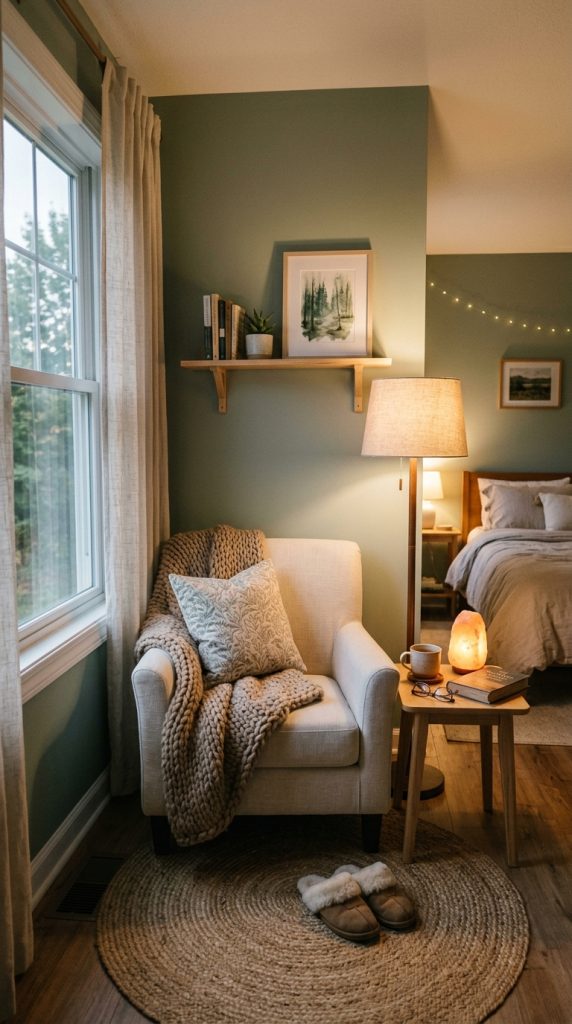
11. Create a Relaxation Corner
A small reading nook or meditation area can help establish a calming bedtime routine and make the bedroom feel like a peaceful retreat.
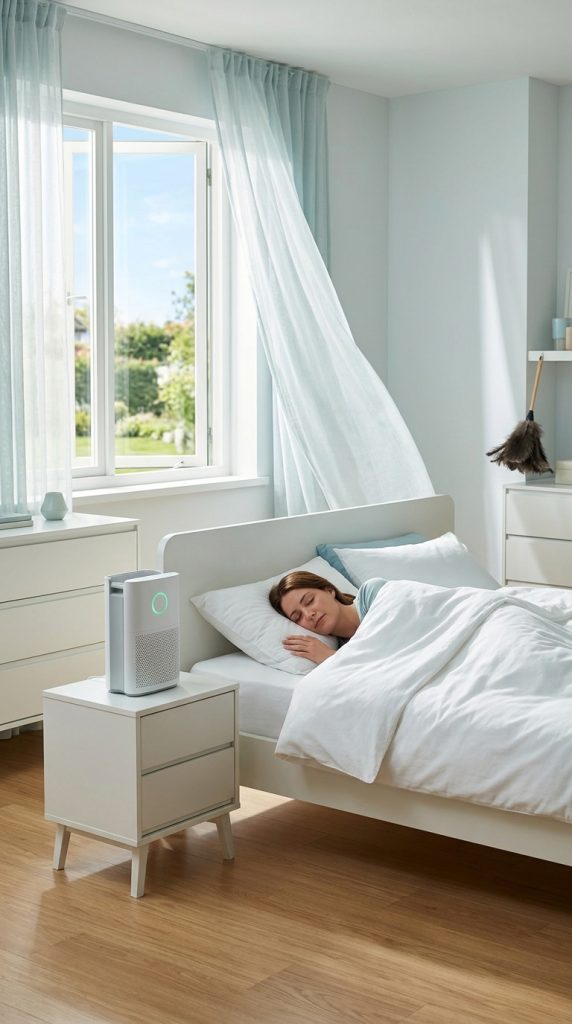
12. Improve Air Quality
Good ventilation, air purifiers, and regular cleaning can reduce allergens and improve breathing comfort during sleep.
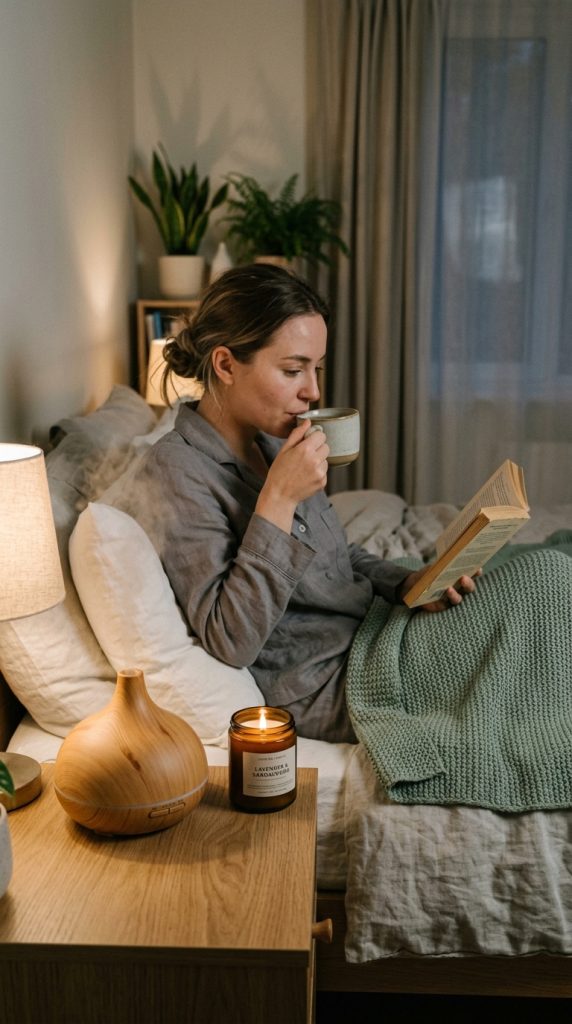
13. Use Aromatherapy
Gentle scents such as lavender, chamomile, or sandalwood can encourage relaxation. Essential oil diffusers or scented candles can help create a sleep-friendly environment.
Final Thoughts
Your bedroom should be more than just a place to sleep—it should be a peaceful sanctuary that helps your mind and body recharge. From choosing calming colors and comfortable bedding to reducing clutter and controlling light, even small changes can have a powerful impact on sleep quality. By creating a bedroom environment that promotes relaxation and comfort, you’ll be setting the foundation for healthier sleep, improved well-being, and more energized days ahead. Start with a few simple updates, and enjoy the benefits of a more restful night’s sleep.