13 Home Setup Ideas That Prevent Piling Clutter

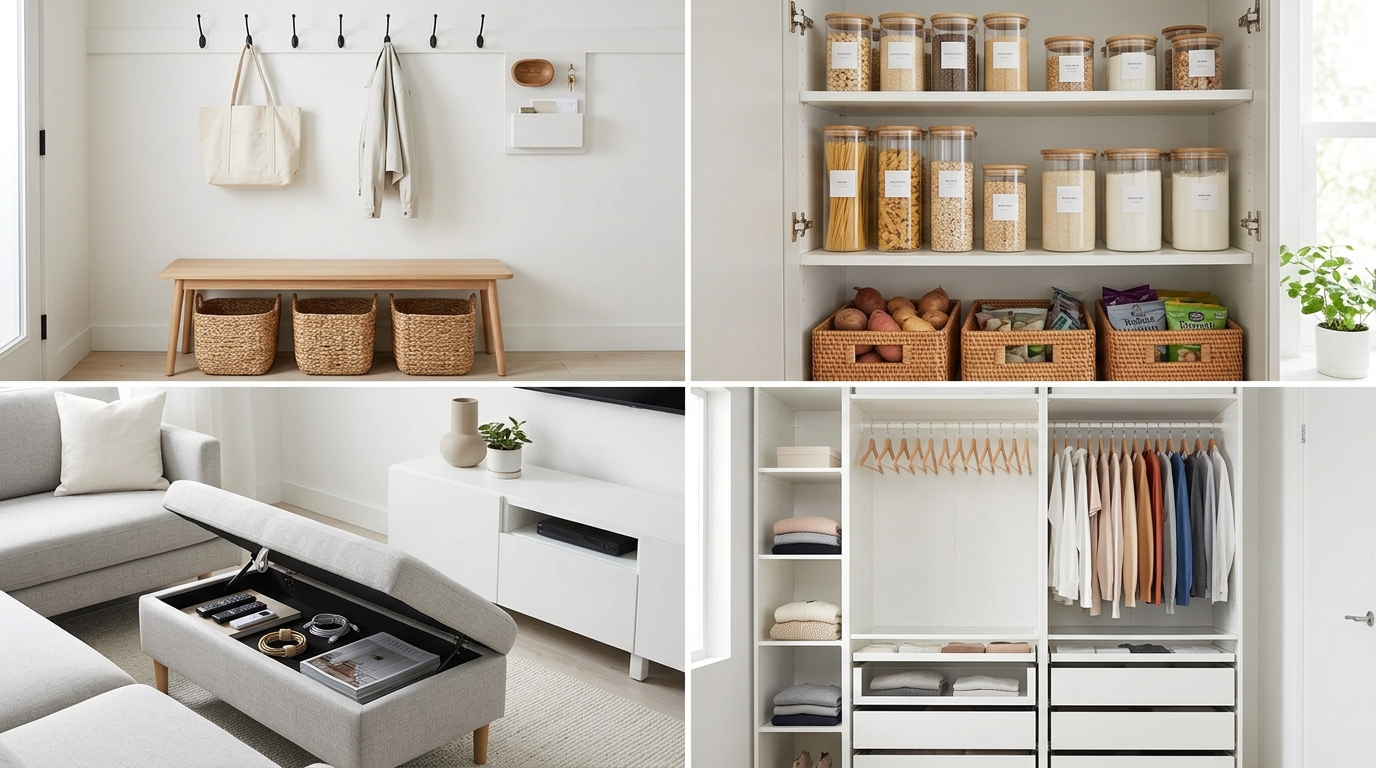
Clutter rarely appears overnight. It builds quietly through small daily habits and a lack of intentional storage. A well-designed home setup can act as a natural barrier against mess, guiding you to stay organized without constant effort. These ideas focus on smart layouts, functional furniture, and simple systems that make it easier to maintain a clean, calm living space.
1. Create Designated Drop Zones
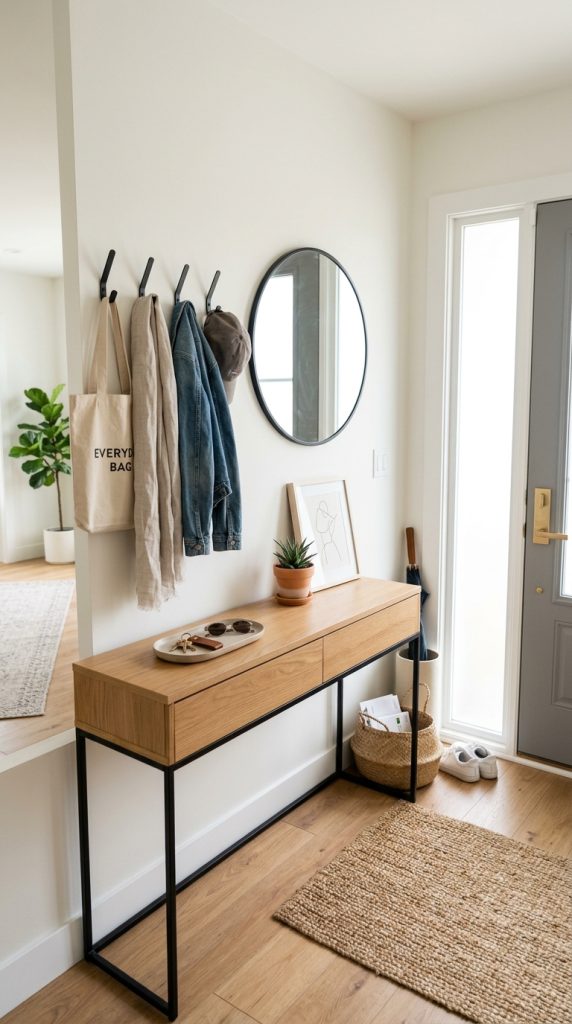
Every home needs a clear “landing spot” for everyday items like keys, bags, and mail. Without this, things end up scattered across surfaces. A small console table, wall hooks, or a tray near the entrance keeps everything in one place. This simple setup prevents items from migrating into other rooms and becoming clutter hotspots.
2. Use Closed Storage Over Open Shelves
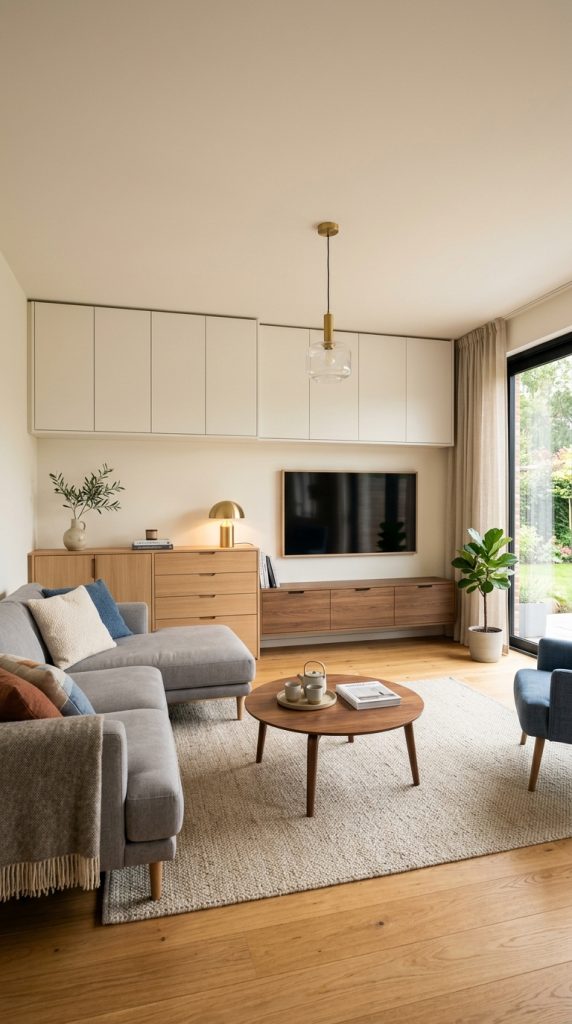
Open shelves look stylish but tend to collect visual clutter quickly. Closed cabinets, drawers, or storage boxes hide everyday items and create a cleaner look. This doesn’t mean eliminating display areas entirely, but balancing them with concealed storage helps maintain a tidy appearance without constant rearranging.
3. Adopt a “One In, One Out” Rule
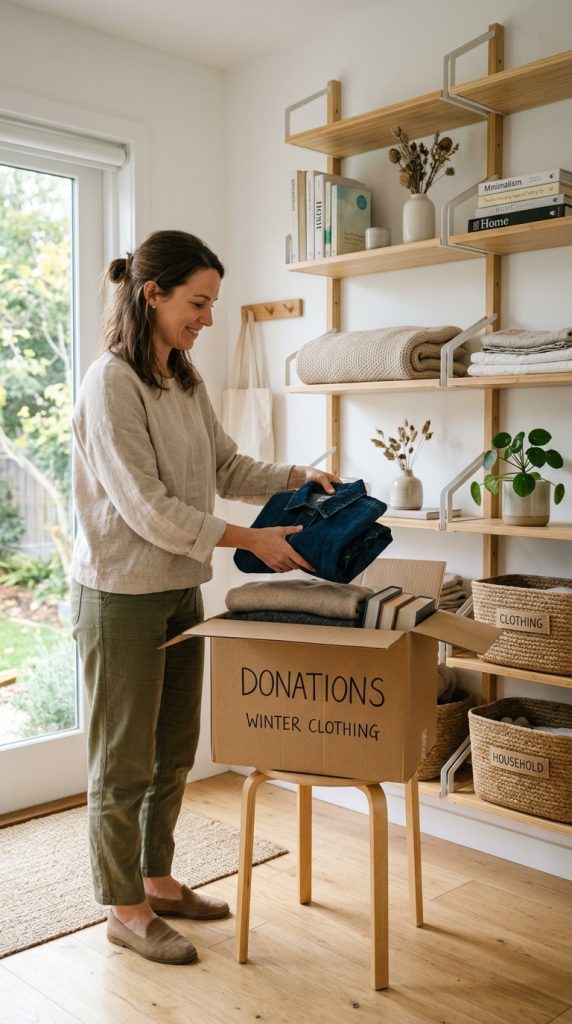
Your home setup should support mindful consumption. For every new item you bring in, remove one. This habit works best when paired with accessible donation bins or storage areas. It ensures your space doesn’t gradually overflow and keeps your belongings at a manageable level.
4. Choose Multi-Functional Furniture
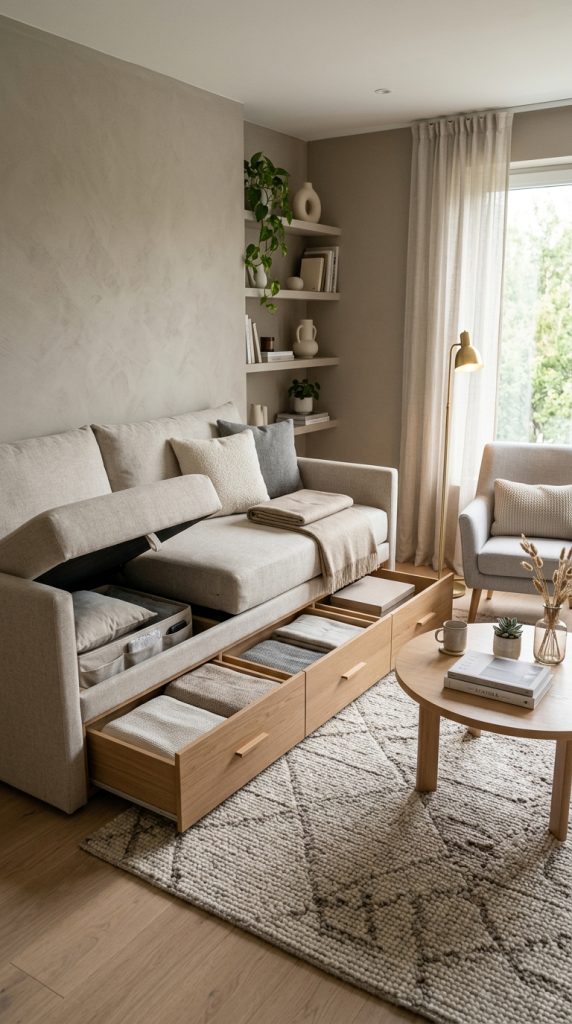
Furniture that serves more than one purpose reduces the need for extra items. Think beds with storage drawers, ottomans that open up, or coffee tables with hidden compartments. These pieces quietly store clutter while maintaining a streamlined look in your home.
5. Install Vertical Storage Solutions
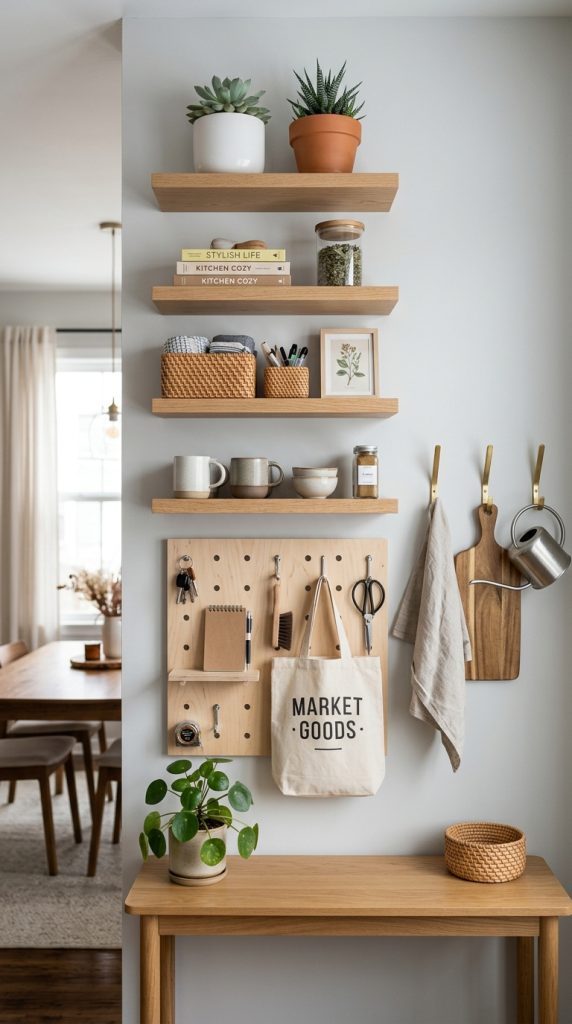
Walls are often underutilized. Adding shelves, hooks, or pegboards helps you store items vertically instead of piling them on surfaces. This approach is especially useful in small spaces, keeping floors and countertops clear while still providing easy access to essentials.
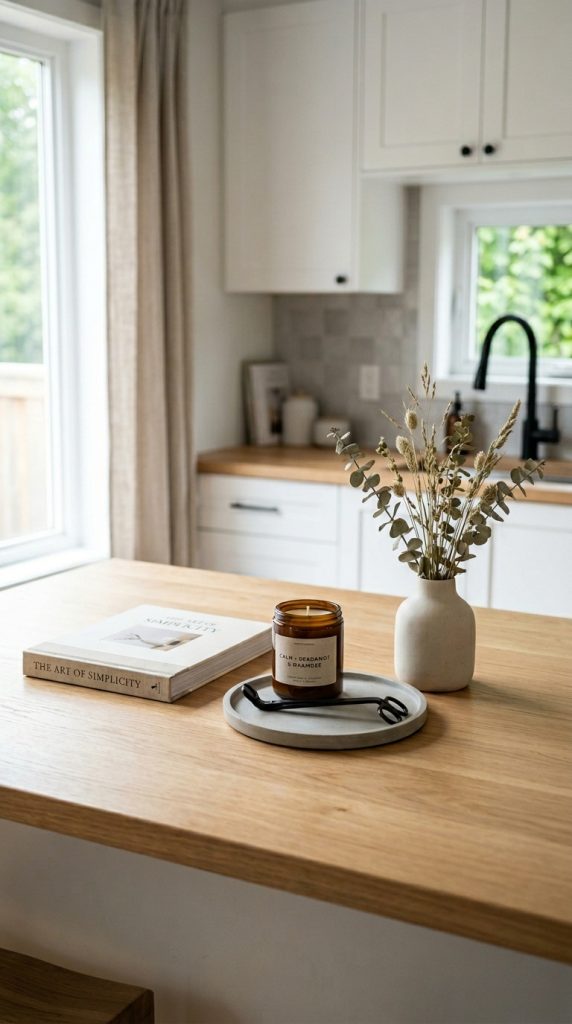
6. Keep Surfaces Intentionally Minimal
Clutter tends to gather on flat surfaces like tables, countertops, and dressers. By limiting what you allow on these areas, you naturally reduce mess. Keep only a few functional or decorative items, and assign proper storage for everything else.
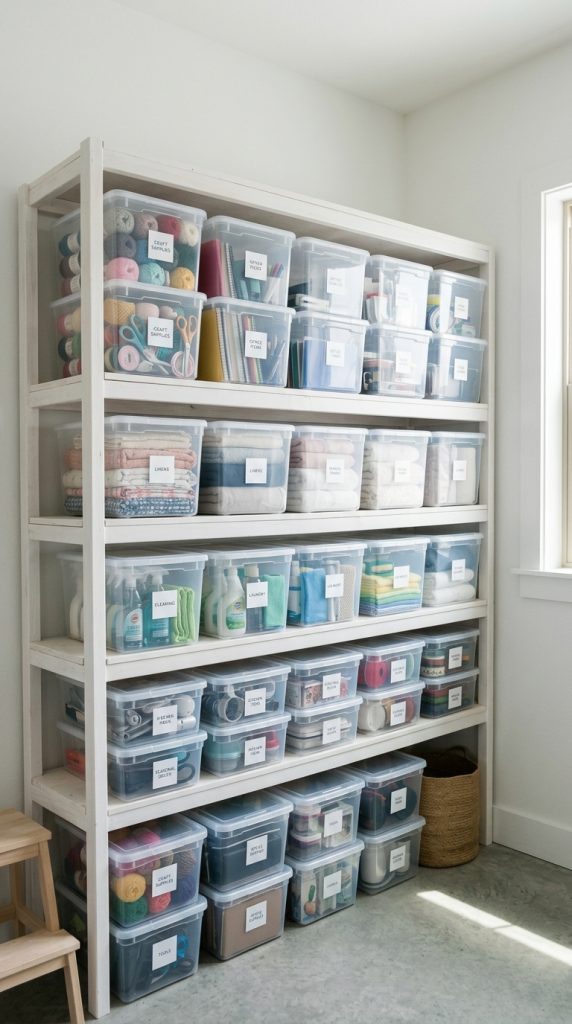
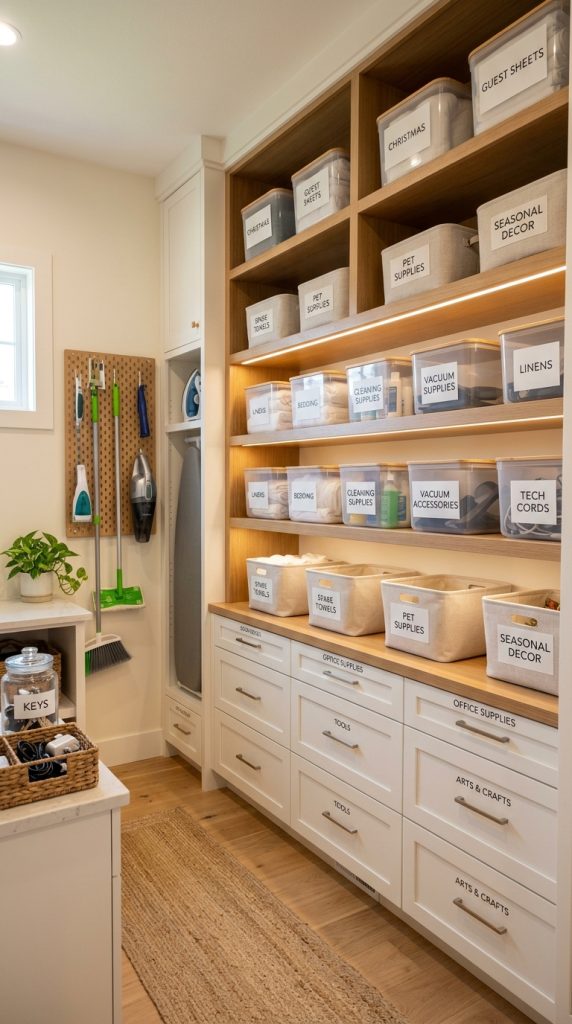
7. Use Clear Storage Systems
When you can see what you own, you’re less likely to accumulate duplicates. Transparent bins or labeled containers make it easy to find things quickly. This reduces the tendency to leave items out “just in case,” which often leads to clutter.
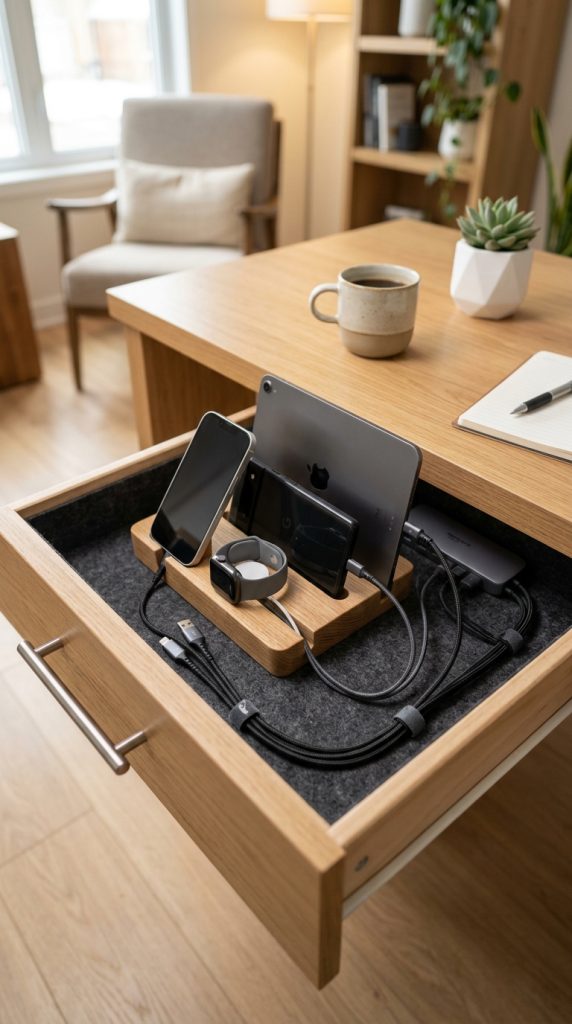
8. Create Hidden Charging Stations
Cables and gadgets are a common source of visual mess. Set up a dedicated charging drawer or station where devices can be powered without being scattered around. This keeps wires organized and prevents tech clutter from spreading across your home.
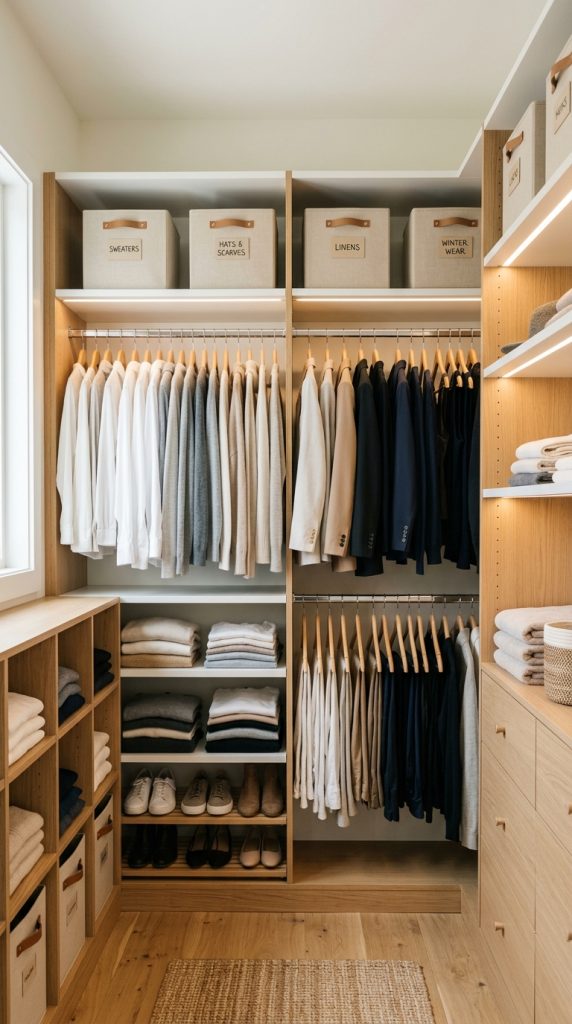
9. Design a Functional Closet Layout
Closets can either control clutter or contribute to it. Divide your closet into zones for different types of clothing and accessories. Use organizers, bins, and uniform hangers to create consistency. A well-structured closet makes it easier to maintain order daily.
10. Use Baskets for Quick Cleanups
Strategically placed baskets in living areas allow for fast decluttering. When items start to pile up, you can quickly gather them and redistribute them later. This system prevents mess from becoming overwhelming and keeps spaces looking neat with minimal effort.
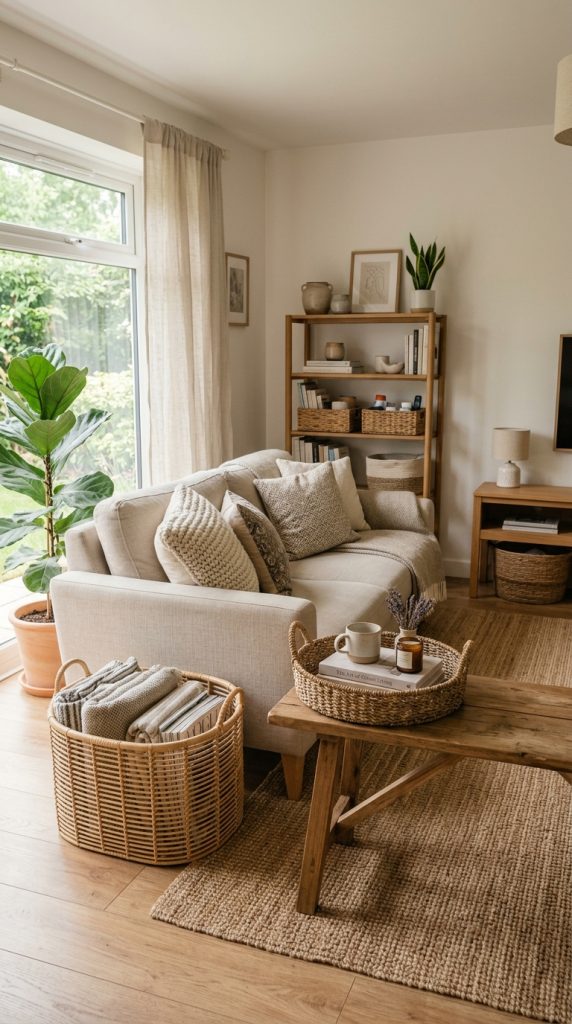
11. Limit Decorative Items
Too many decor pieces can make a space feel crowded. Choose a few meaningful or visually cohesive items instead of filling every corner. This not only enhances the aesthetic but also reduces dusting and maintenance, making it easier to keep things organized.
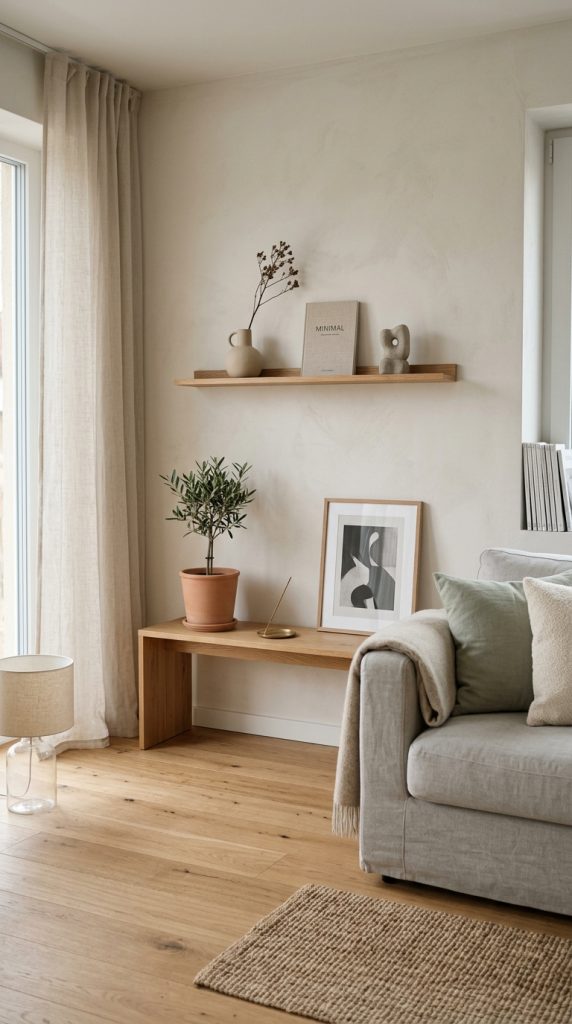
12. Establish Daily Reset Zones
Set up small areas where you commit to resetting clutter every day, such as the kitchen counter or living room table. Designing these zones intentionally encourages consistency. Over time, this habit prevents clutter from spreading throughout the house.
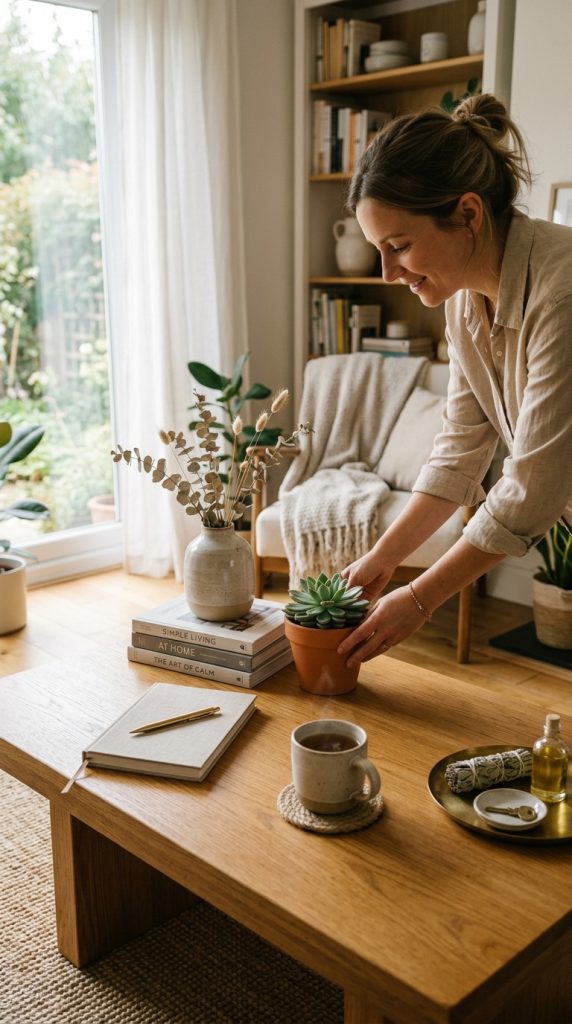
13. Plan Storage Before Buying Items
Instead of buying items and figuring out where to put them later, reverse the process. Decide where something will live before bringing it home. This mindset ensures everything has a designated place, which is key to preventing clutter buildup.
Final Verdict
A clutter-free home isn’t about constant cleaning. It’s about creating systems that naturally discourage mess. When your space is designed with intention, organization becomes effortless, and clutter has fewer chances to take hold. Small changes in setup can lead to lasting habits that keep your home calm, functional, and visually pleasing.