14 Decor Placement Mistakes to Avoid


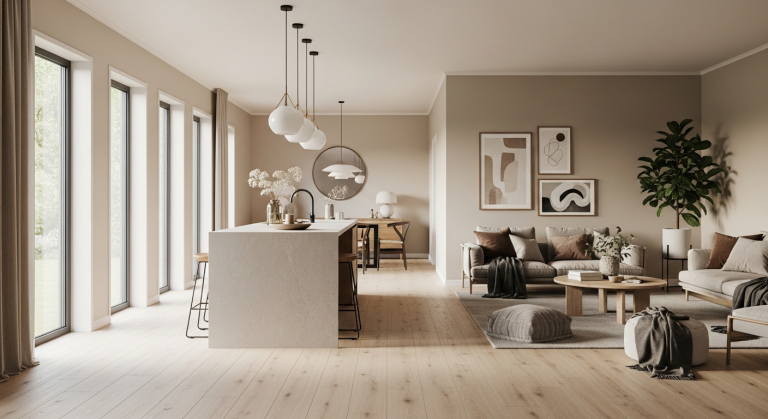
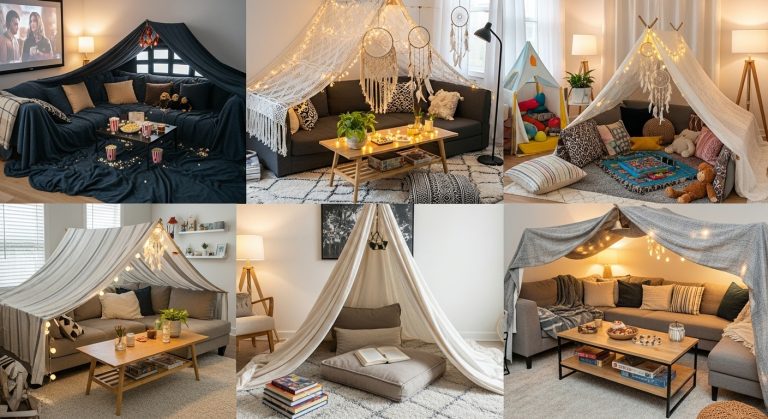
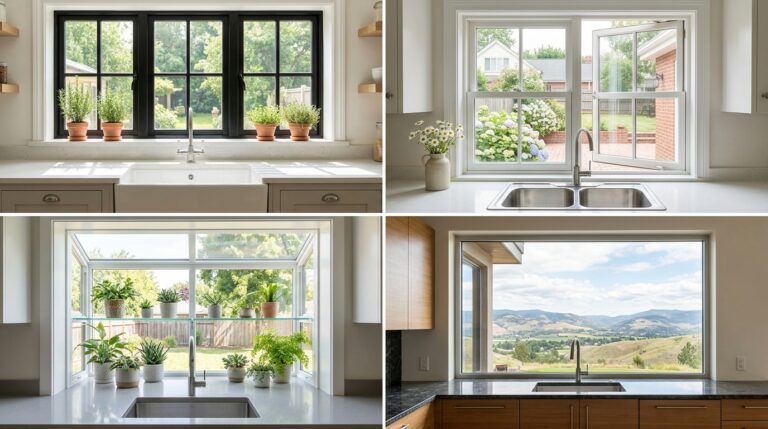
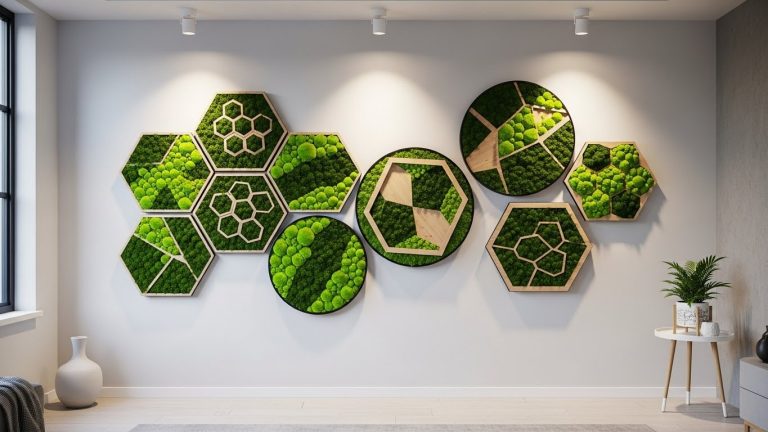
Decor can elevate a room dramatically, but incorrect placement can just as easily disrupt balance and harmony. These 14 decor placement mistakes to avoid highlight common styling errors that make rooms feel cluttered, awkward, or unfinished. Interior design is not only about choosing beautiful items but also about positioning them thoughtfully so the space feels cohesive and visually comfortable.
Understanding these decor placement mistakes to avoid helps you create rooms that feel balanced, intentional, and well-designed without buying new furniture or accessories.
1. Hanging Artwork Too High
One of the most common decor placement mistakes to avoid is positioning artwork far above eye level.
Why it fails:
- Breaks visual connection with furniture
- Makes walls feel disconnected
- Disrupts proportion
Artwork should generally sit at eye level to feel integrated.

2. Pushing All Furniture Against Walls
While this may seem like it creates more space, it often has the opposite effect.
Why it fails:
- Creates empty center areas
- Reduces intimacy
- Disrupts room flow
Floating furniture slightly inward often improves balance.

3. Choosing Rugs That Are Too Small
Small rugs shrink the perceived size of a room.
Problems caused:
- Furniture looks disconnected
- Layout appears incomplete
Large rugs anchor furniture and create visual unity.

Also Visit: 13 Cool-Blue Accent Wall Ideas
4. Overcrowding Shelves
Shelves filled with too many items feel chaotic.
Why it fails:
- Reduces visual breathing room
- Makes decor look cluttered
Intentional spacing improves overall styling.

5. Ignoring Lighting Layers
Relying only on overhead lighting limits the atmosphere.
Why it fails:
- Creates harsh shadows
- Removes warmth
Layered lighting with lamps and sconces improves depth.

6. Placing Mirrors Without Purpose
Mirrors should enhance light or space.
Common mistakes:
- Facing blank walls
- Placing mirrors too low
- Ignoring natural light reflection
Thoughtful placement maximizes impact.

7. Hanging Curtains Too Low
Curtains mounted directly above windows shorten wall height.
Why it fails:
- Ceilings appear lower
- Windows feel smaller
Mount curtains higher to create vertical expansion.

8. Blocking Natural Walkways
Furniture placement should respect movement.
Problems caused:
- Disrupted traffic flow
- Awkward navigation
Maintaining clear pathways prevents decor placement mistakes to avoid.

9. Using Too Many Small Decor Pieces
Tiny objects scattered everywhere dilute visual impact.
Why it fails:
- Creates clutter
- Reduces focal points
Larger statement pieces feel more intentional.

10. Ignoring Symmetry in Key Areas
Certain spaces benefit from balanced placement.
Examples:
- Bedside tables
- Sofa lamps
- Entry consoles
Symmetry often creates calm and order.

11. Poor TV Placement
Televisions positioned incorrectly disrupt room balance.
Common issues:
- Mounted too high
- Not centered with seating
- Competing with focal walls
Proper alignment improves comfort and aesthetics.

12. Overcrowding Corners
Corners should breathe visually.
Why it fails:
- Creates awkward visual weight
- Reduces openness
A single tall plant or lamp works better than multiple items.

13. Ignoring Scale and Proportion
Decor must match room size.
Problems include:
- Oversized pieces in small rooms
- Tiny decor in large spaces
Balanced scale prevents decor placement mistakes to avoid.

14. Forgetting a Focal Point
Every room needs a visual anchor.
Without one:
- The eye has no resting point
- The room feels scattered
Focal points could be artwork, a statement chair, or a fireplace.

Final Verdict
These 14 decor placement mistakes to avoid show that interior design success often depends on positioning rather than purchasing. Correct artwork height, balanced furniture placement, appropriate rug sizing, and thoughtful decor spacing can instantly improve how a room feels. By avoiding these decor placement mistakes, your space will feel more harmonious, functional, and visually refined.