14 Home Ideas That Feel Calm Not Decorated

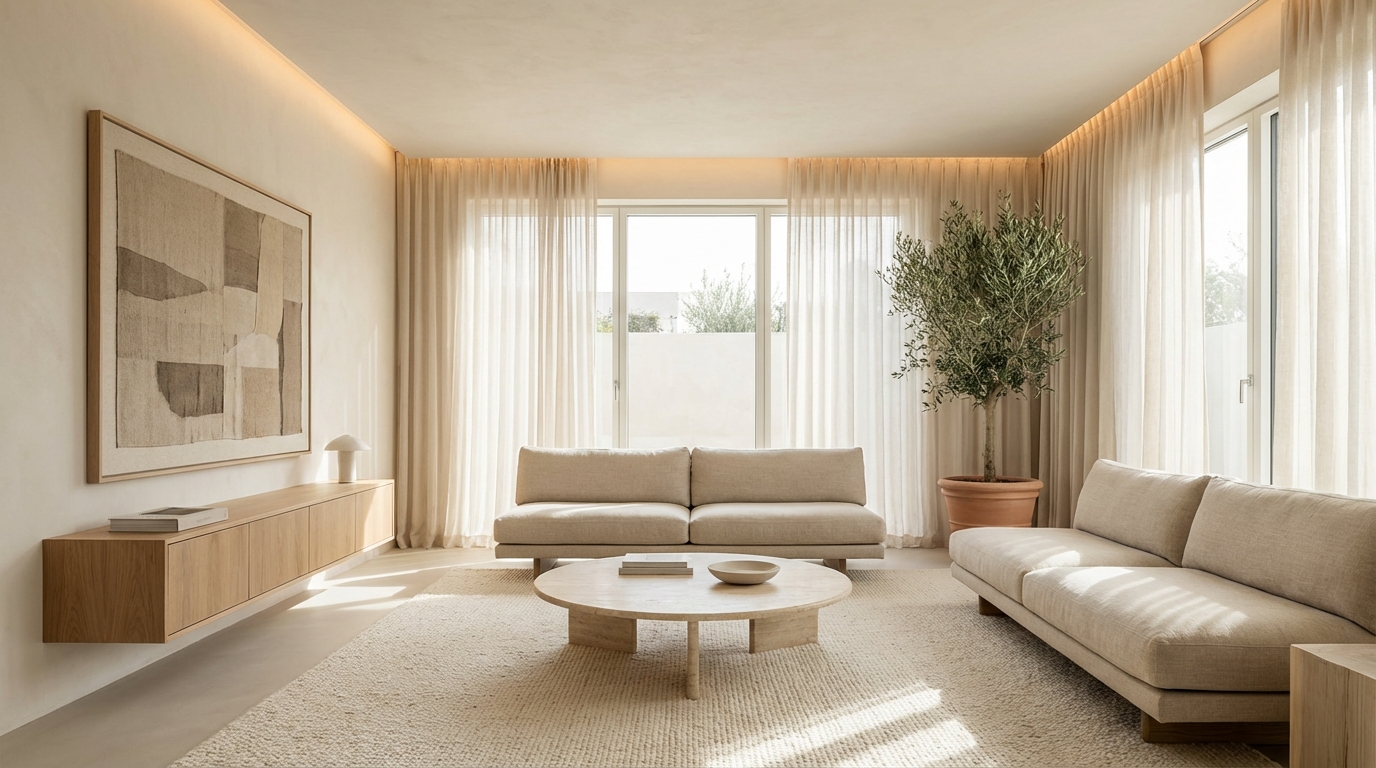
Creating a peaceful interior is less about adding more decor and more about refining what already exists. These 14 home ideas that feel calm, not decorated focus on designing spaces that feel effortless, balanced, and soothing rather than overly styled. A calm home doesn’t rely on excessive accessories or dramatic statements. Instead, it embraces thoughtful simplicity, cohesive palettes, soft textures, and intentional layouts that allow the room to breathe.
If your space feels visually busy, heavy, or “too decorated,” these ideas will help you achieve a relaxed, natural aesthetic that feels quietly beautiful.
1. Embrace Negative Space
One of the most powerful home ideas that feel calm, not decorated is allowing space around your furniture and decor.
Avoid:
- Overcrowded shelves
- Packed surfaces
- Too many small objects
Empty space creates visual rest and instantly reduces overwhelm.
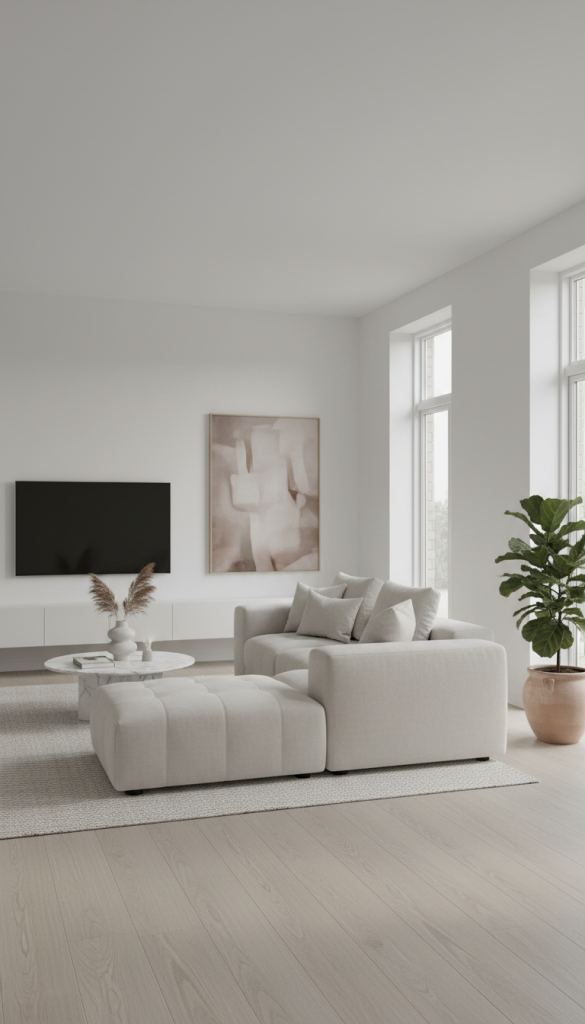
2. Simplify Your Color Palette
Too many competing tones can make a room feel chaotic.
Aim for:
- Two to three primary colors
- Soft neutrals
- Gentle tonal variations
Cohesive color stories naturally produce a calmer environment.
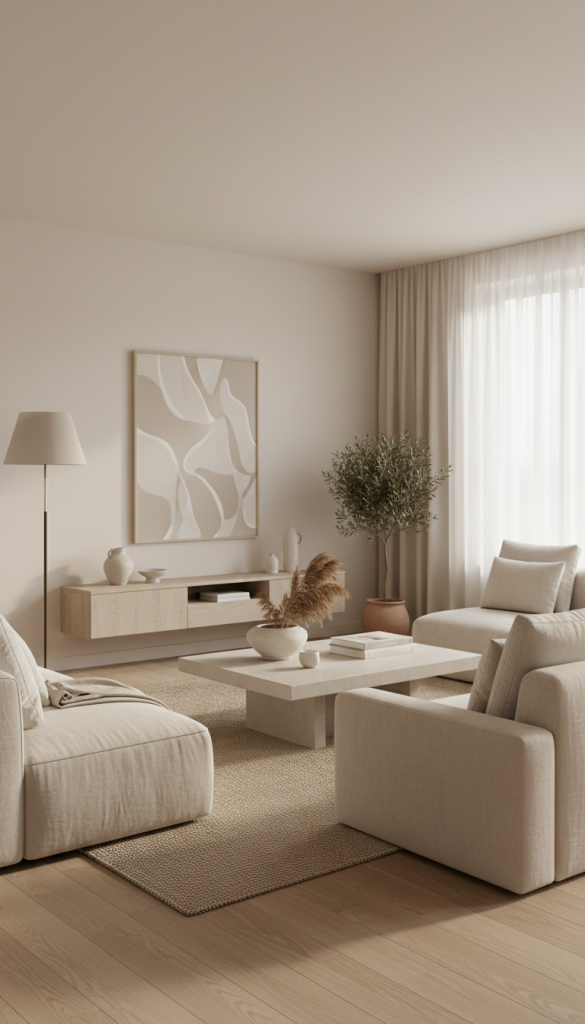
3. Choose Soft, Muted Tones
Calm interiors often lean toward gentle hues.
Examples:
- Warm white
- Beige
- Taupe
- Soft grey
- Dusty pastels
Muted colors soften visual impact and create harmony.
Also Visit: 11 Styling Ideas Using What You Already Own
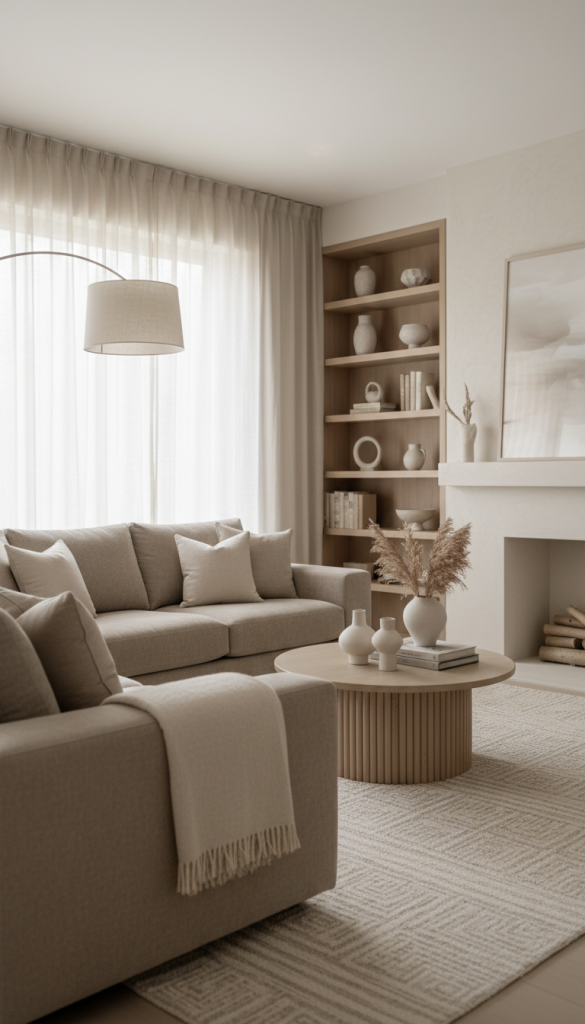
4. Layer Subtle Textures
Calm does not mean flat or boring.
Introduce texture through:
- Linen curtains
- Soft rugs
- Knit throws
- Woven baskets
- Ceramic decor
Texture adds warmth without creating visual noise.
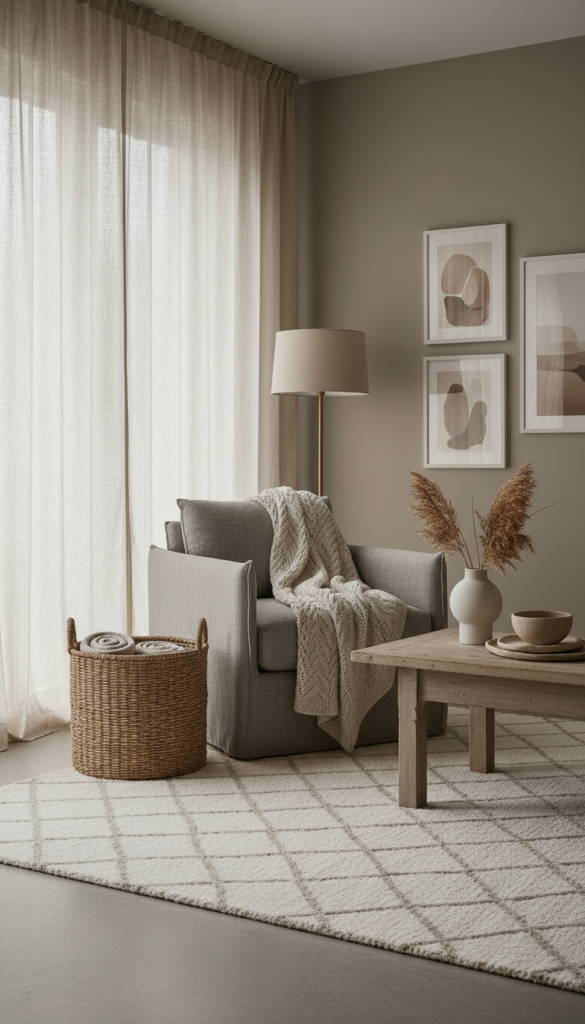
5. Edit Decorative Accessories
Instead of adding more decor, refine what’s already there.
Try:
- Removing excess pieces
- Highlighting standout items
- Grouping intentionally
Editing often has a greater impact than decorating.
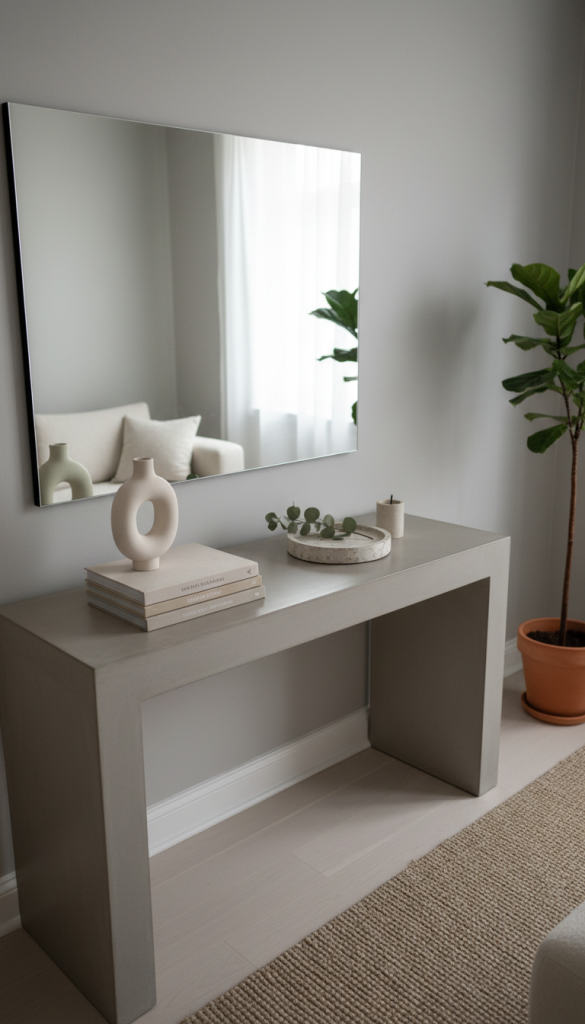
6. Focus on Clean Surfaces
Clear surfaces immediately communicate calm.
Keep minimal items on:
- Coffee tables
- Consoles
- Kitchen counters
- Nightstands
Clutter-free zones visually relax the room.
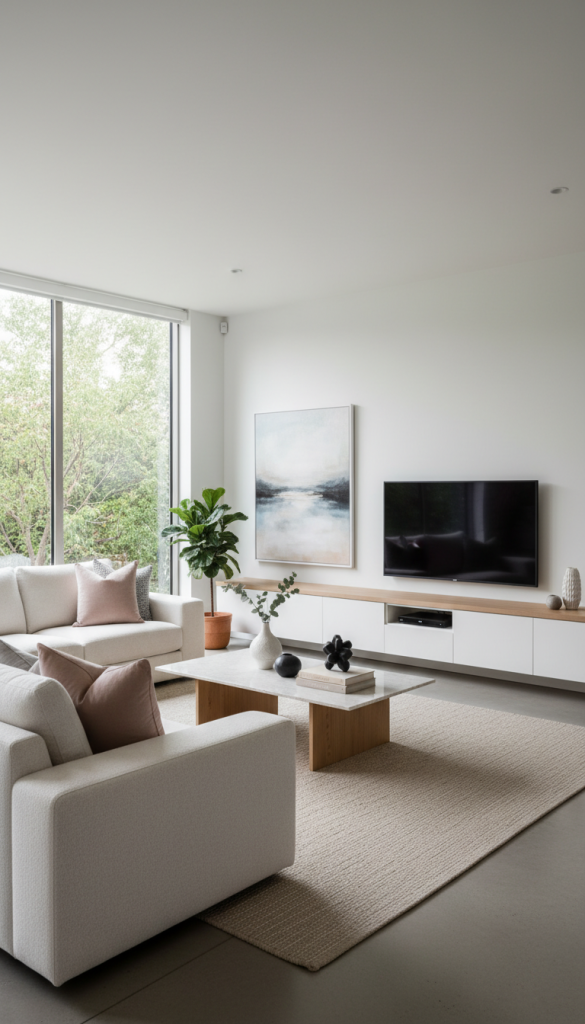
7. Use Natural Materials
Organic textures soften interiors and reduce artificial heaviness.
Incorporate:
- Wood
- Stone
- Linen
- Cotton
- Rattan
Natural materials contribute to a grounded, serene atmosphere.
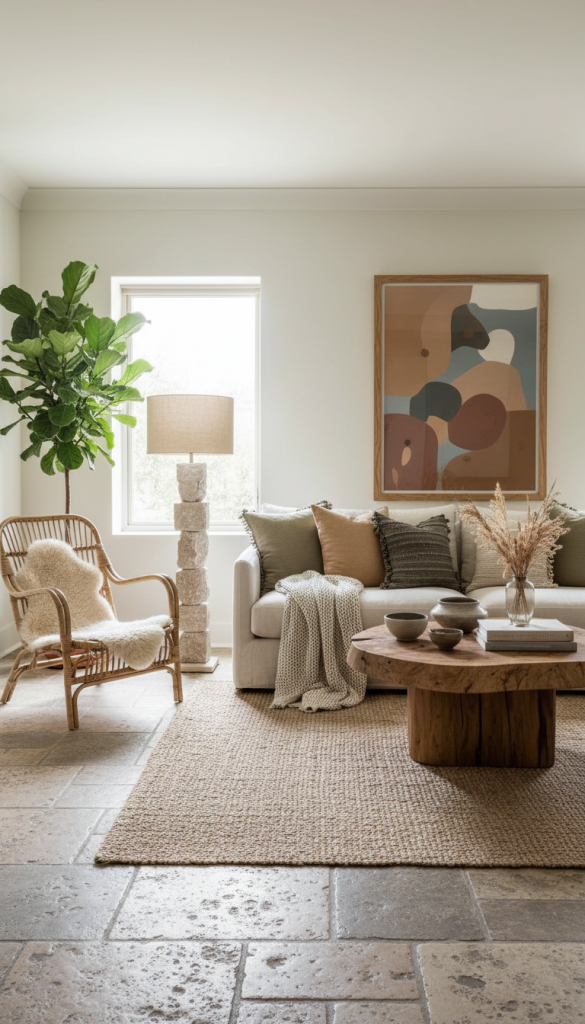
8. Prioritize Soft Lighting
Lighting dramatically influences mood.
Replace harsh overhead brightness with:
- Warm bulbs
- Table lamps
- Floor lamps
- Ambient glow
Soft lighting creates warmth and comfort.
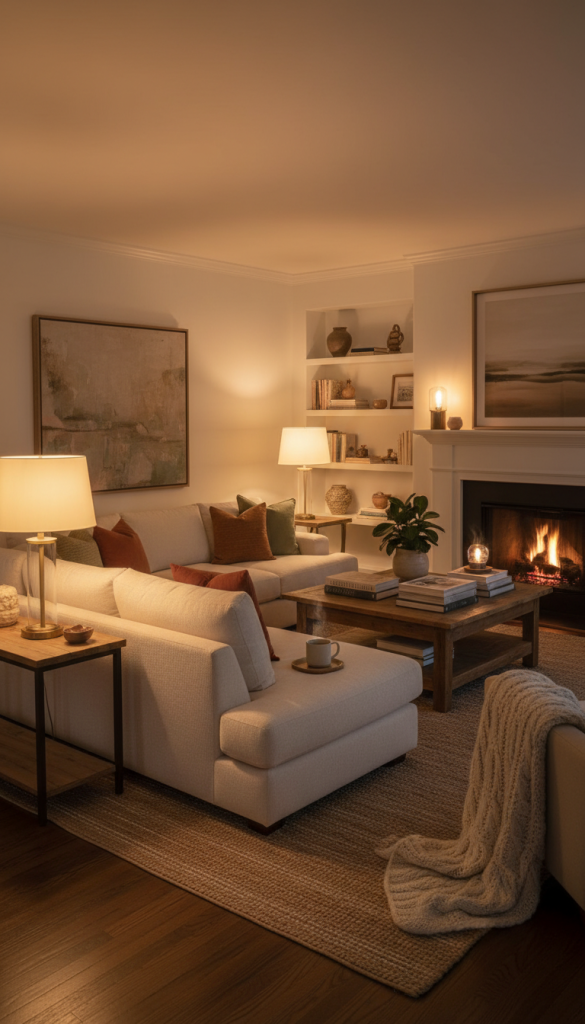
9. Keep Furniture Layout Balanced
A calm room feels visually stable.
Ensure:
- Even spacing
- Logical flow
- Defined zones
- Clear walking paths
Crowded layouts disrupt tranquility.
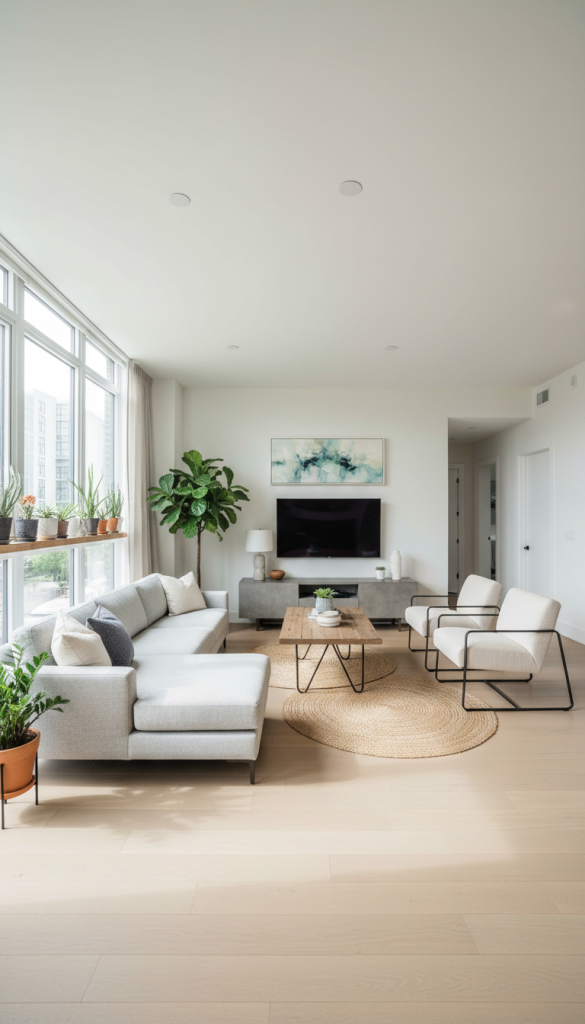
10. Limit Visual Contrast
High contrast can feel energizing but sometimes overwhelming.
Soften by:
- Blending tones
- Avoiding stark black-and-white dominance
- Choosing tonal pairings
Gentle transitions create calm continuity.
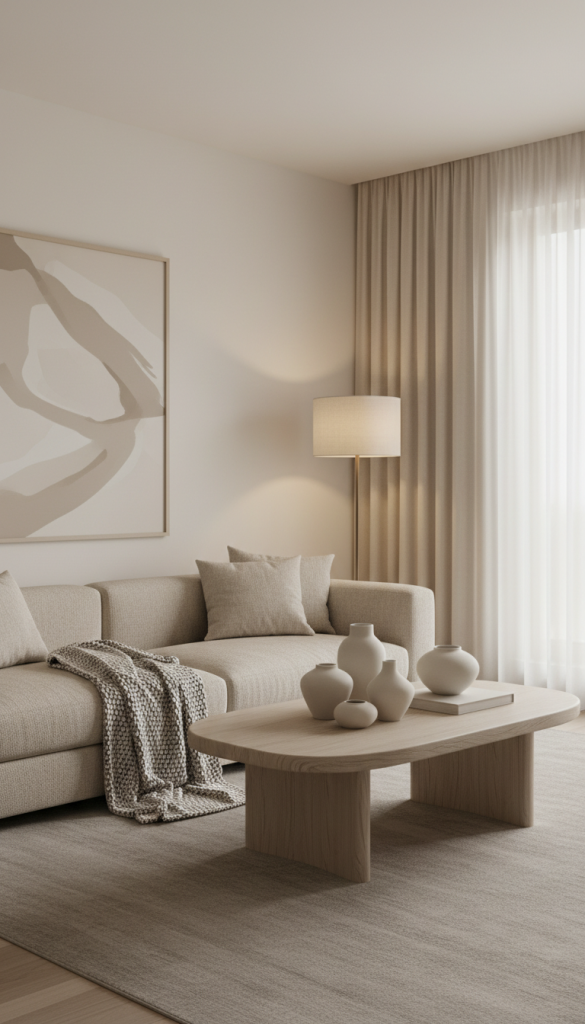
11. Incorporate Soft Fabrics
Textiles strongly influence emotional comfort.
Add:
- Plush cushions
- Lightweight throws
- Soft bedding
- Sheer curtains
Soft fabrics visually and physically warm the space.
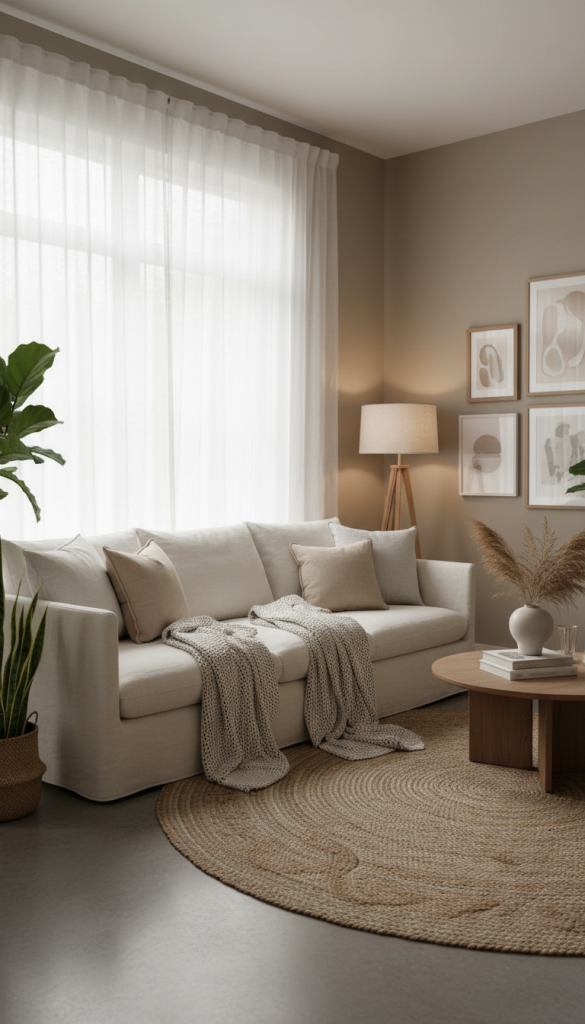
12. Style With Purpose, Not Perfection
Over-styling often happens when aiming for a “magazine-perfect” look.
Instead:
- Let spaces feel lived-in
- Avoid rigid symmetry
- Allow organic placement
Calm homes feel natural, not staged.
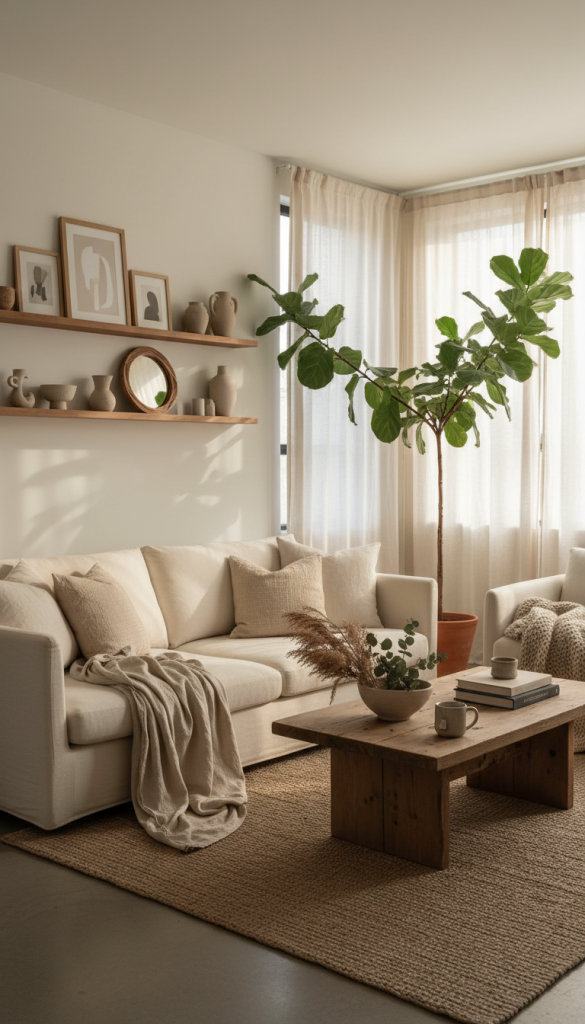
13. Create Visual Breathing Room
Every zone benefits from spacing.
Avoid filling:
- Every corner
- Every wall
- Every shelf
Restraint enhances serenity.
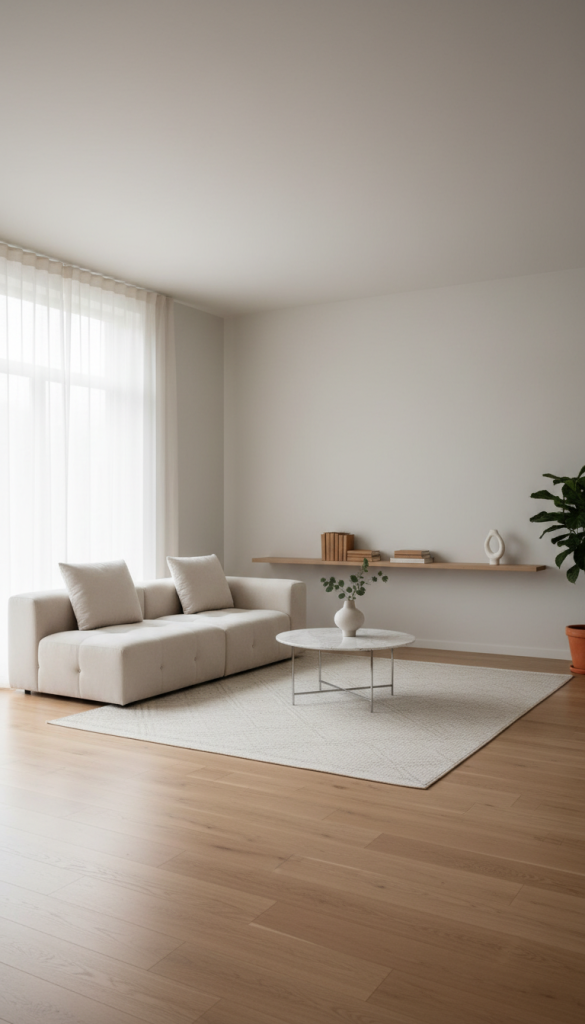
14. Let Function Lead Design
Rooms feel calmer when they work effortlessly.
Ask:
- Does this layout flow well?
- Is storage practical?
- Are surfaces usable?
Functionality reduces stress and visual clutter.
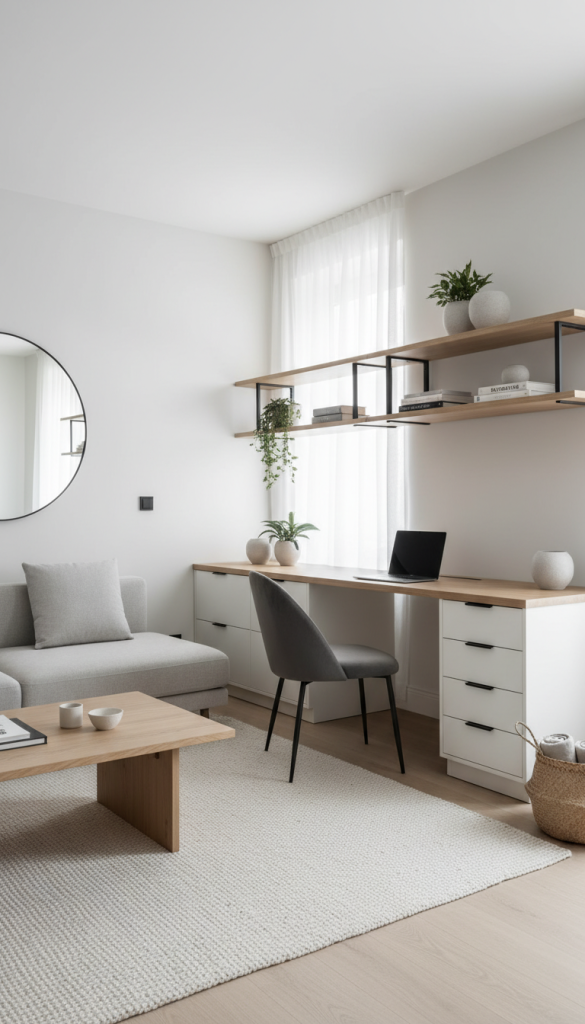
Designing a Home That Feels Effortless
The success of these 14 home ideas that feel calm, not decorated lies in subtlety. Calm interiors rely on balance, softness, and cohesion rather than decorative excess. When colors harmonize, lighting softens, textures layer gently, and clutter disappears, the home naturally feels more peaceful.
Key principles for calm styling:
- Simplicity over abundance
- Cohesion over variety
- Softness over sharp contrast
- Space over overcrowding
- Function over filler
These shifts transform the atmosphere rather than just appearance.
Final Verdict
These 14 home ideas that feel calm, not decorated show that achieving a serene interior is not about adding more styling elements but refining existing ones. Through editing, softening, balancing, and simplifying, your home can feel lighter, more breathable, and emotionally soothing. A calm home doesn’t demand attention, it quietly supports comfort, clarity, and relaxation.